
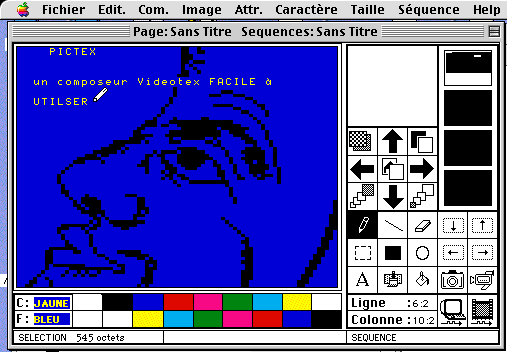
Pictex (1988), a videotex graphic editor by Serge Villa.
Tag Archives: tools
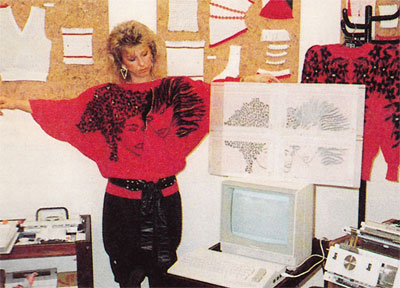
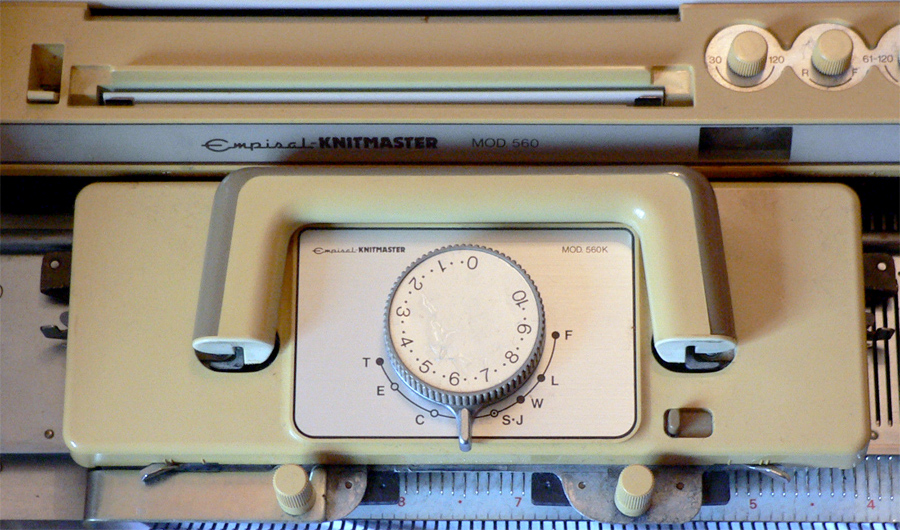
The C64 was capable of automating the entire knitting process thanks to a system called CAPS (made by Empisal in Germany). The setup consisted of the C64 (of course!), an Empisal 550/560 knitting machine and the CAPS interface. The process of knitting your favorite jumper consisted of designing a series of patterns on the C64 which you could then save to disk and combine with other patterns to create a larger image. Source
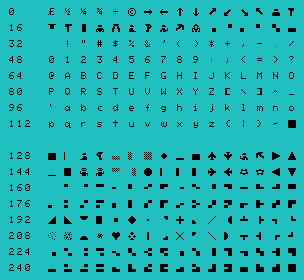
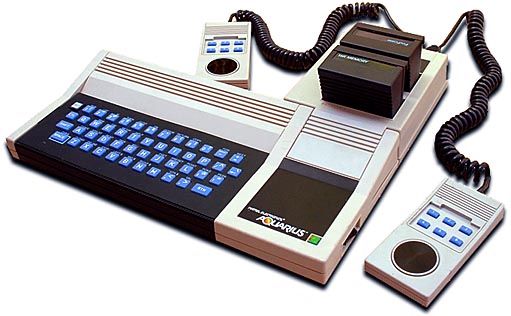
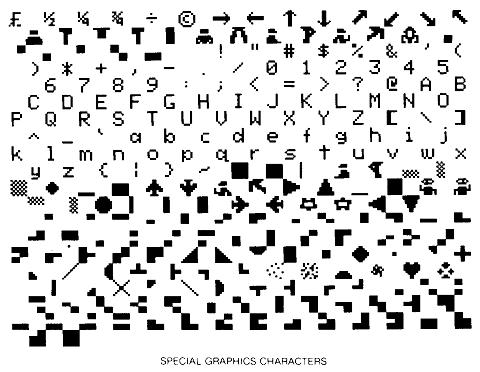
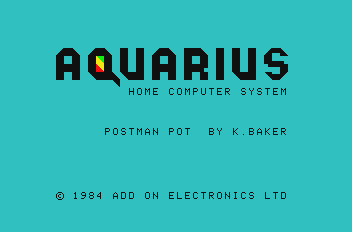
Mattel Aquarius (1983) character graphics set.
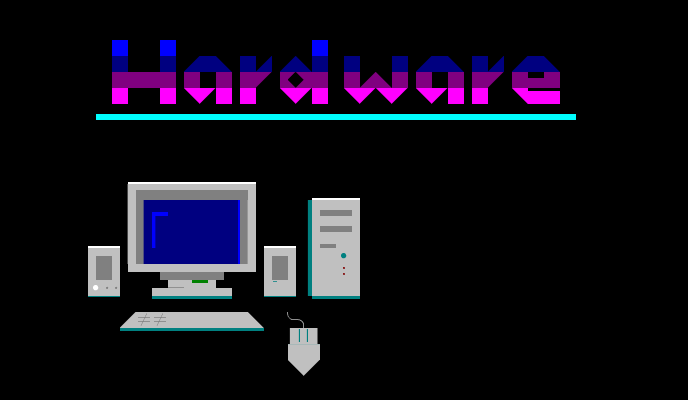
电脑讨论区一 BY Gatchaman (2011).
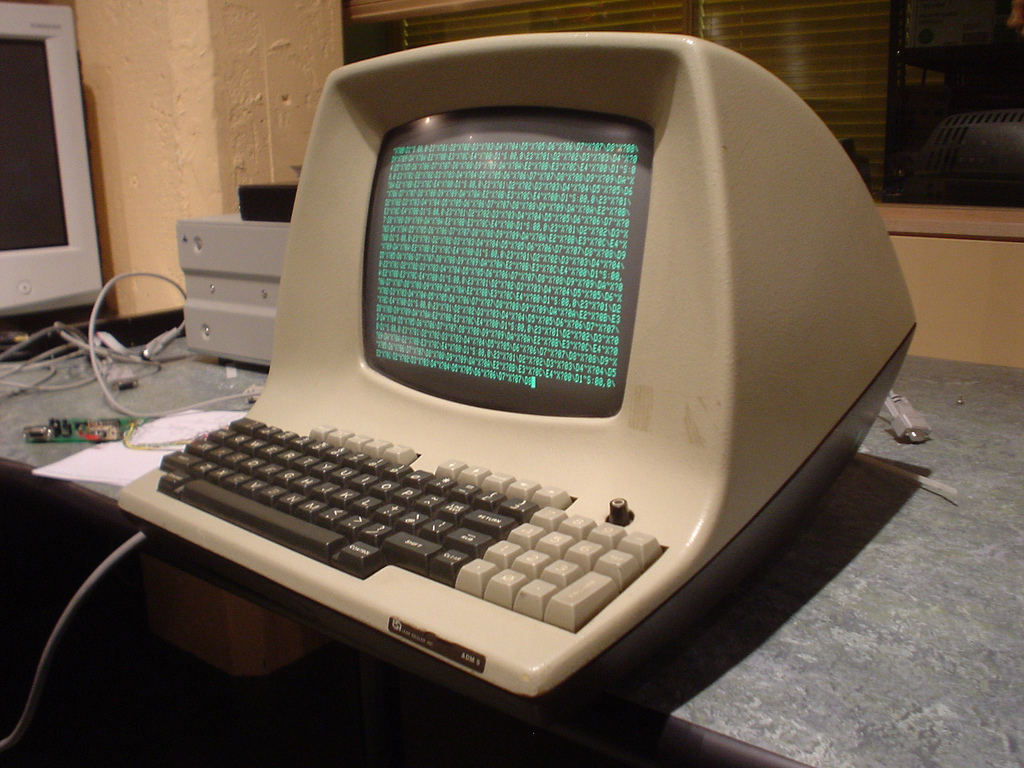
Lear Siegler ADM-5, 1981. Textmode terminal. Could also show graphics, if you added $1000. Pic from here.
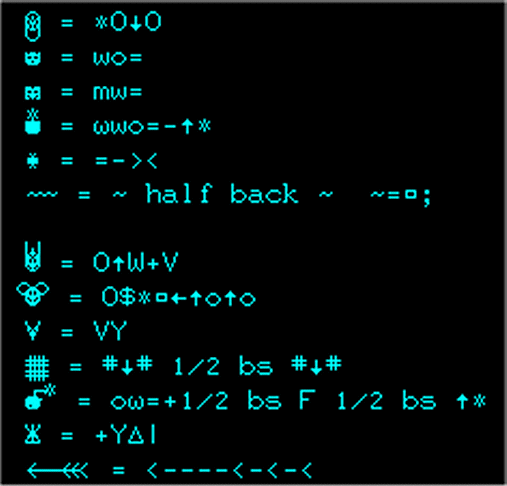
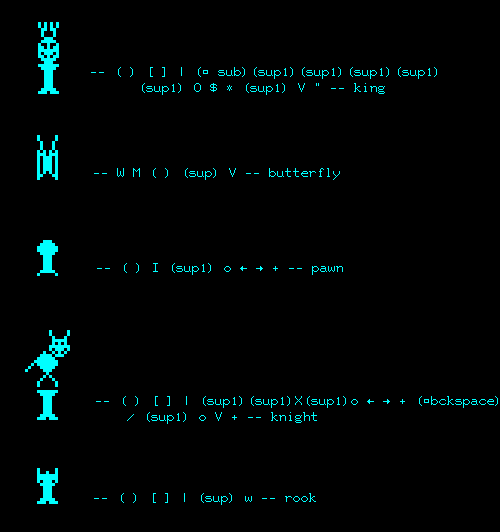
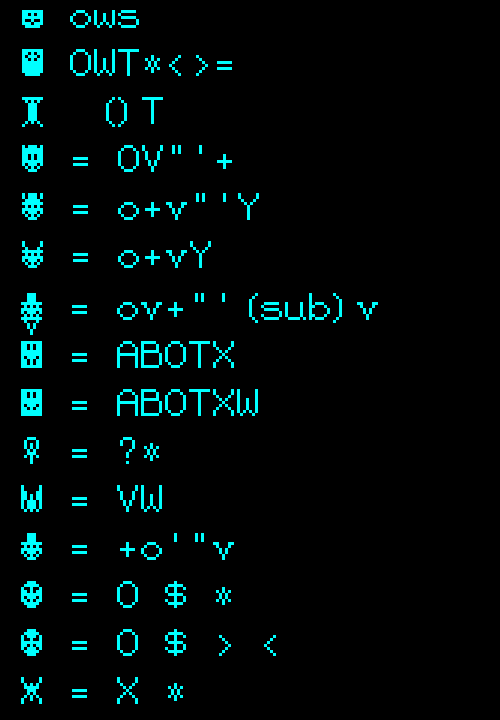
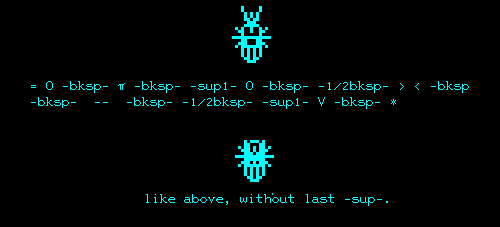
Emoticons/emojis created by layering several text characters on top of eachother (overstriking). These instructions are from 1976, and might have been around as early as 1972.
This technique was possible on the amazing 1970s PLATO computer, and probably never again after that? You could also move the text-chars around on a pixel level. Pictures/info from platopeople.com.
How were these things done? Well, on PLATO, you could press SHIFT-space to move your cursor back one space — and then if you typed another character, it would appear on top of the existing character. And if you wanted to get real fancy, you could use the MICRO and SUB and SUPER keys on a PLATO keyboard to move up and down one pixel or more — in effect providing a HUGE array of possible emoticon characters.
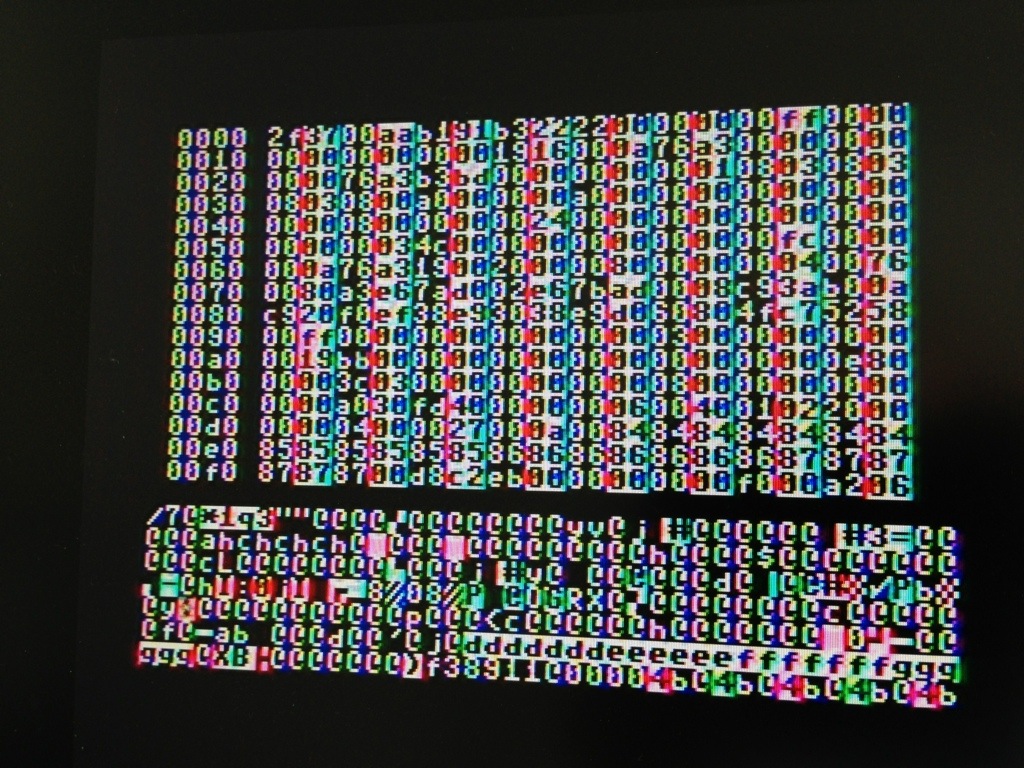
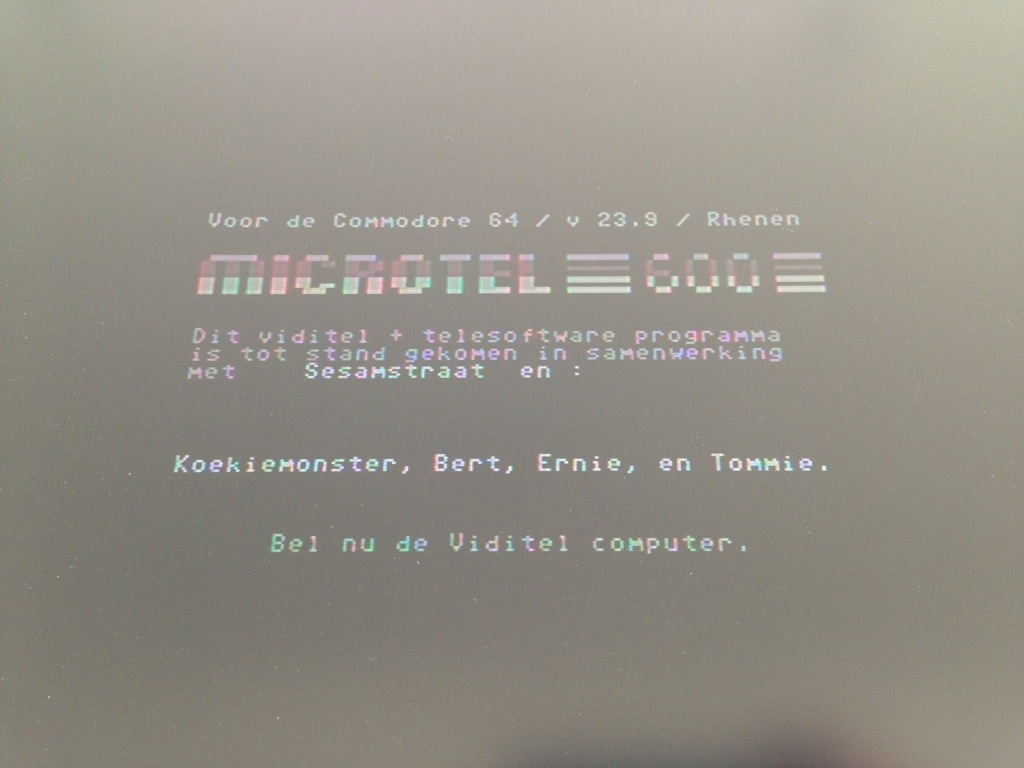
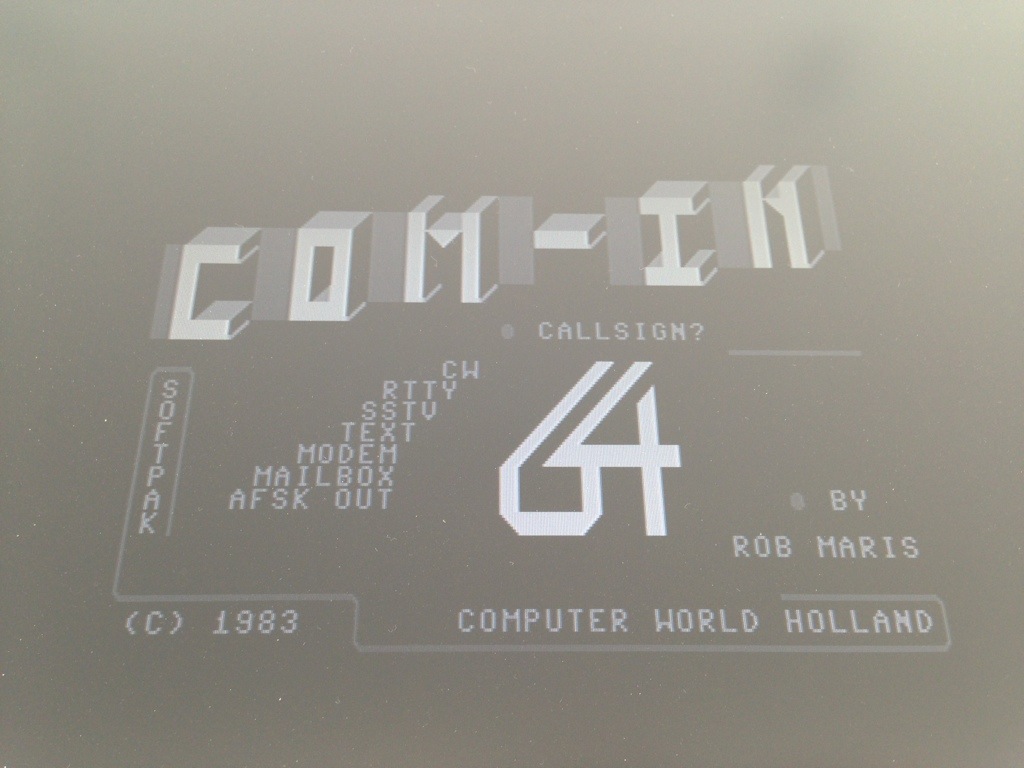
Obscure C64 textmode software from 83/84. Microtel 600 was for videotex (Viditel in the Netherlands) and telesoftware (software that you download through teletext). Com-In seems to be for radio communication (RTTY) and other things. The software at the top (PA3ASM) is some sort of assembler or machine code monitor?


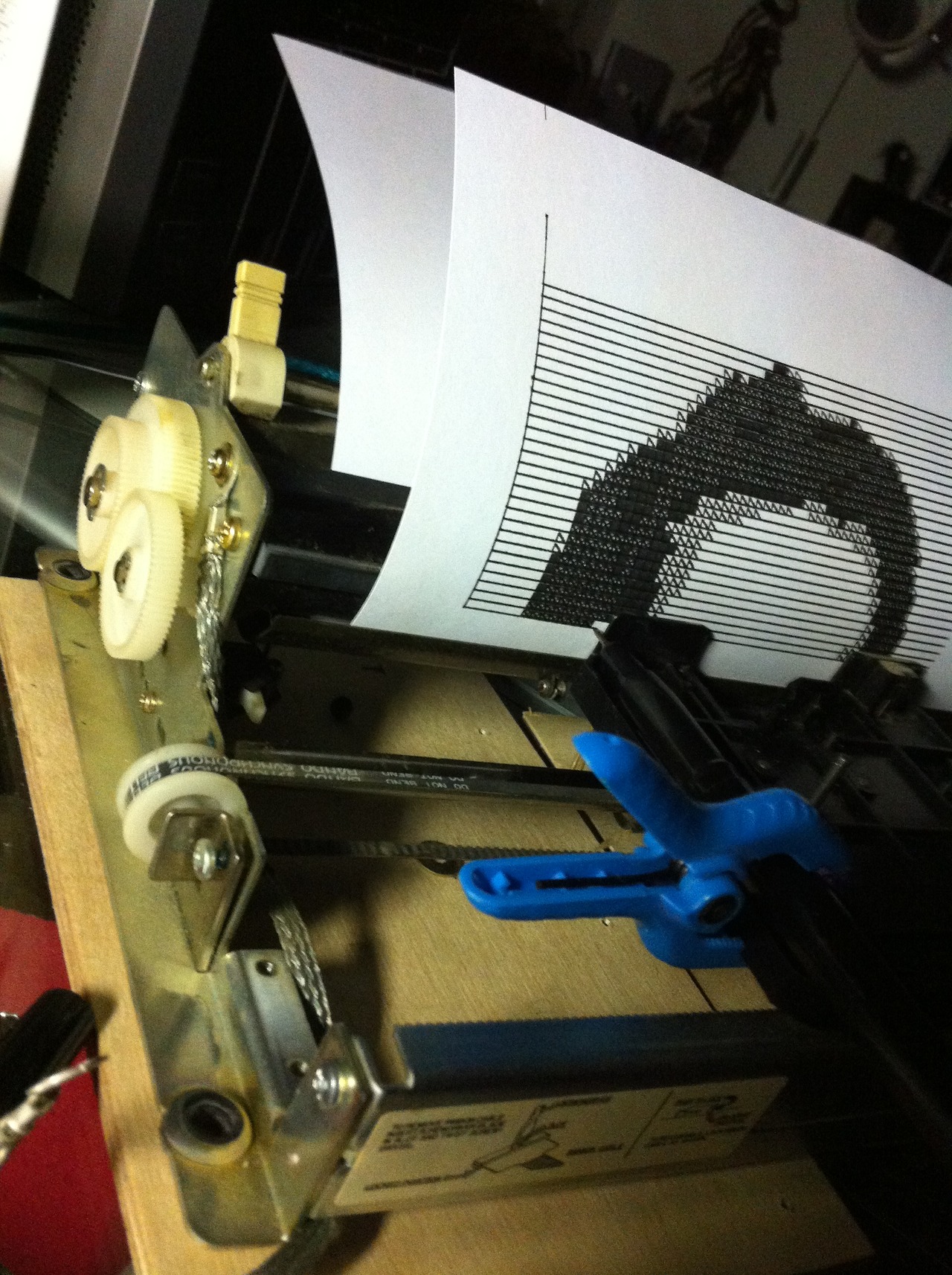
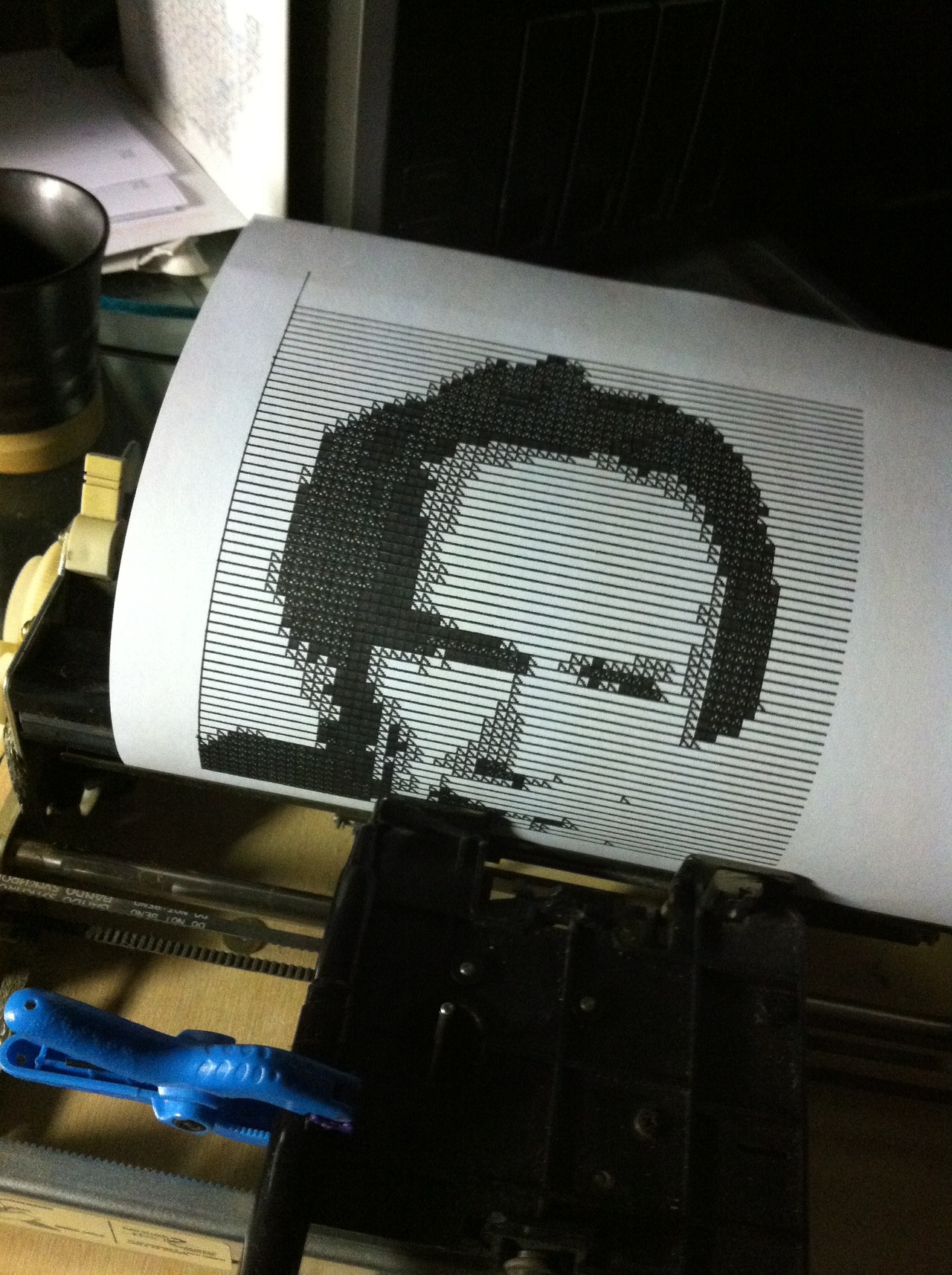
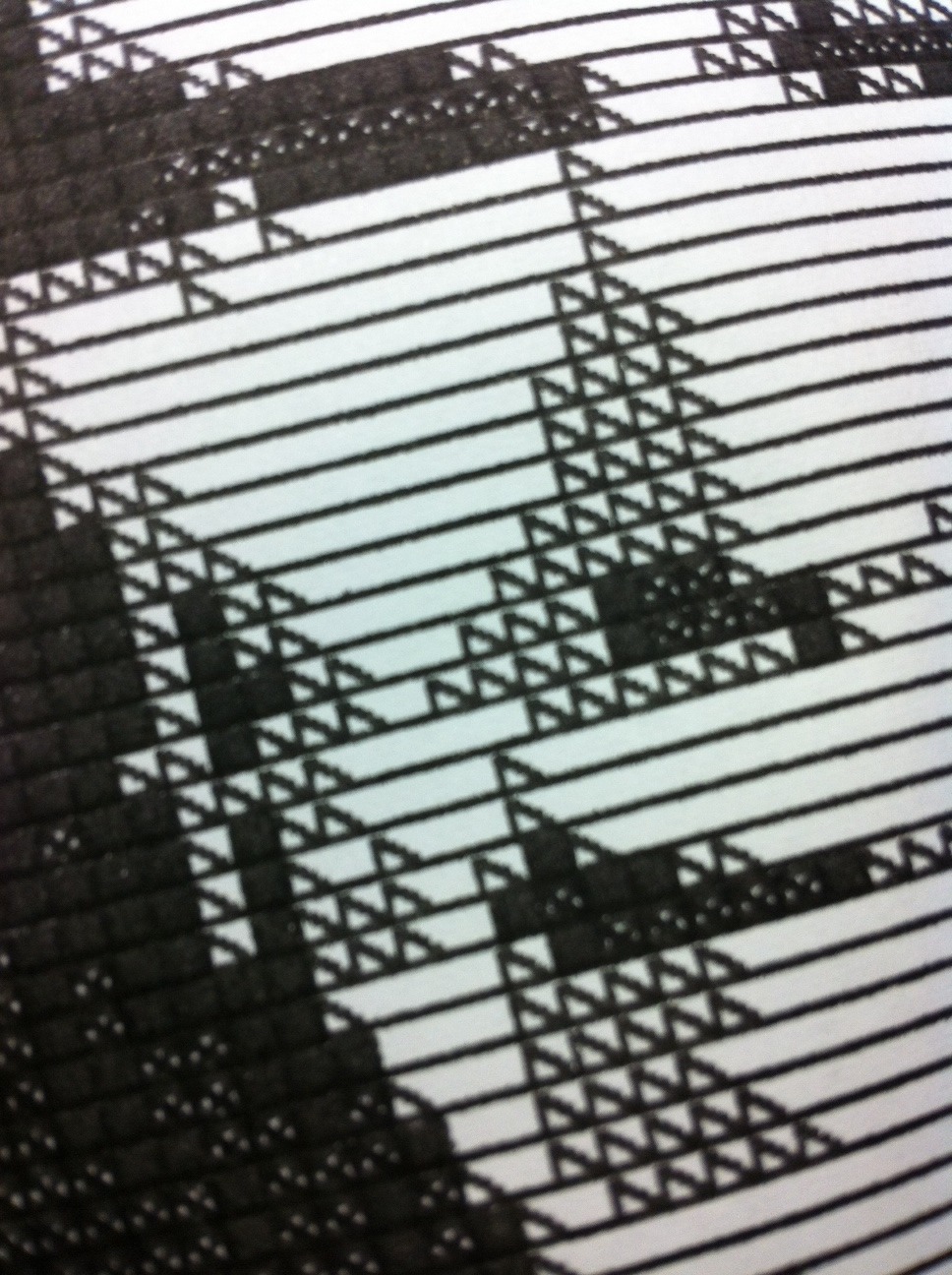
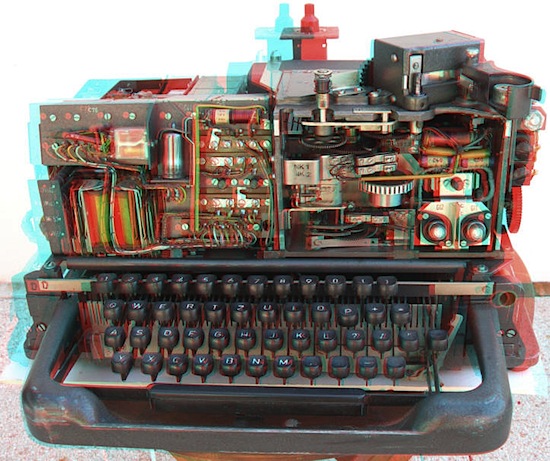
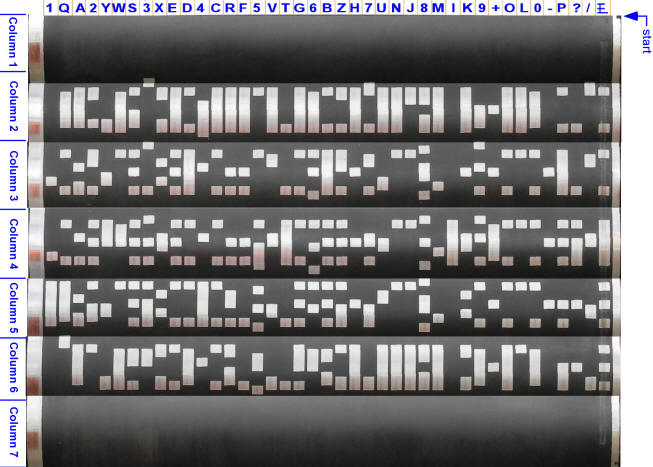
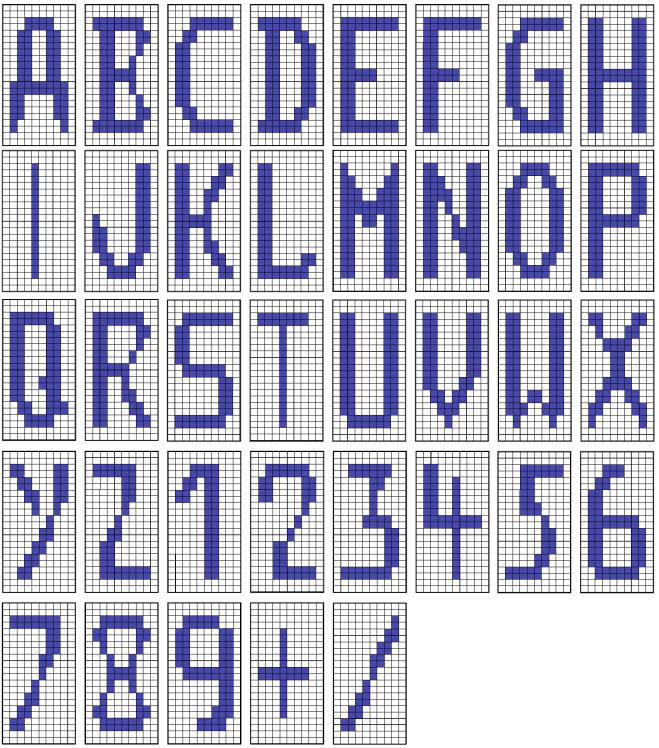
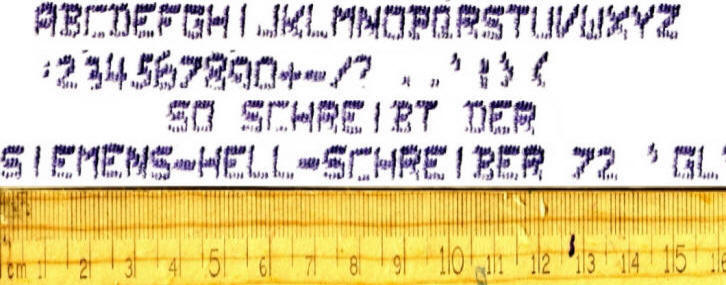
The Hellschreiber teleprinter, used by the German military for telecommunications in the 1930s. Due to its pixel-based font, it performed better than the typewriter-based technologies at the time.
The strange machine photo is a receiver. You can see the “mechanical font memory” in action here. Also, listen to the transmission sounds here.
This system is still being used by some radio amateurs.