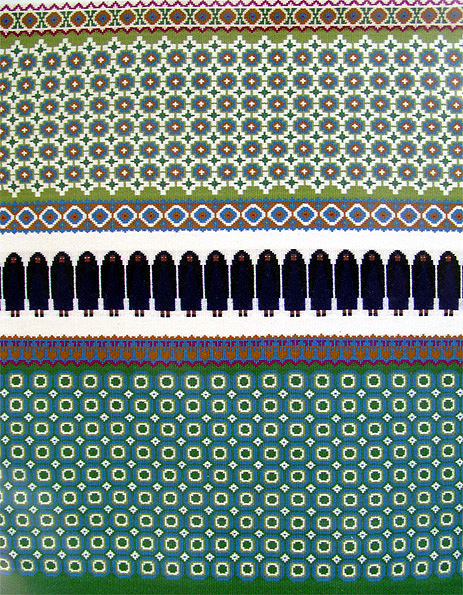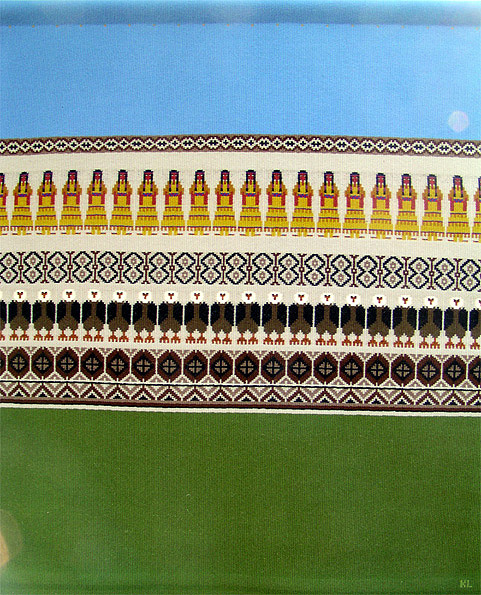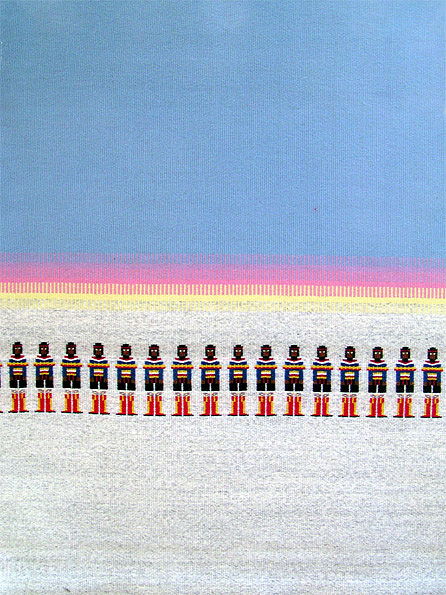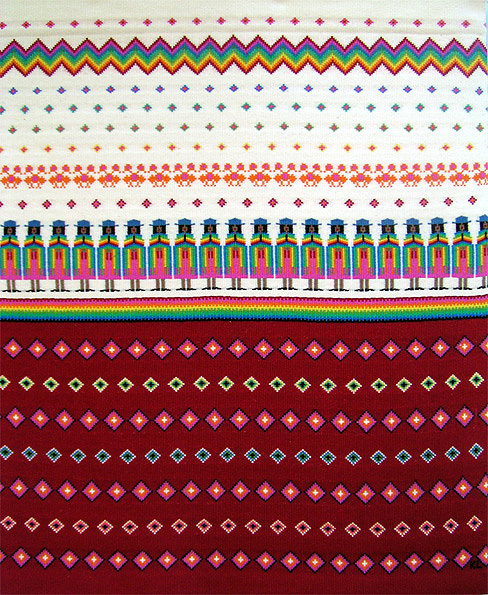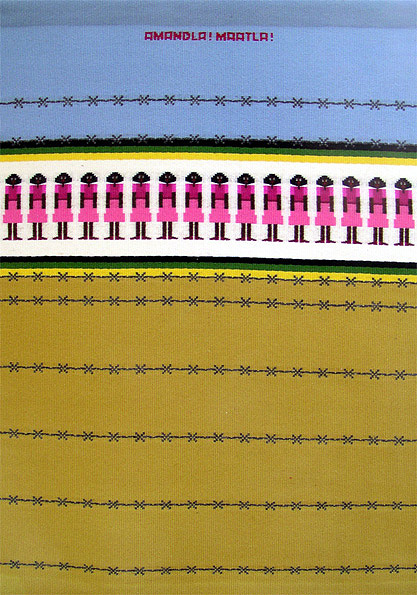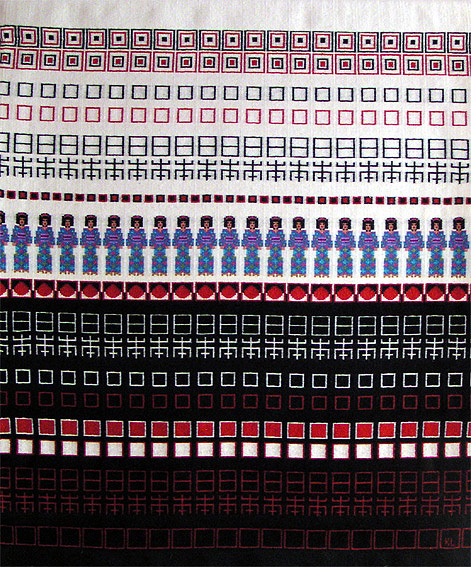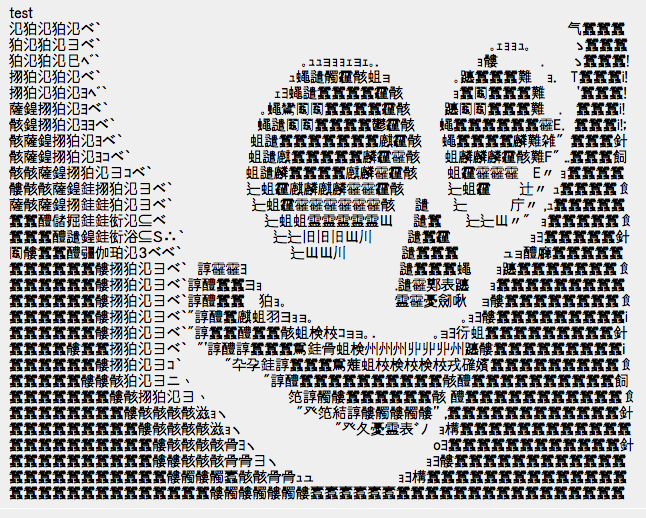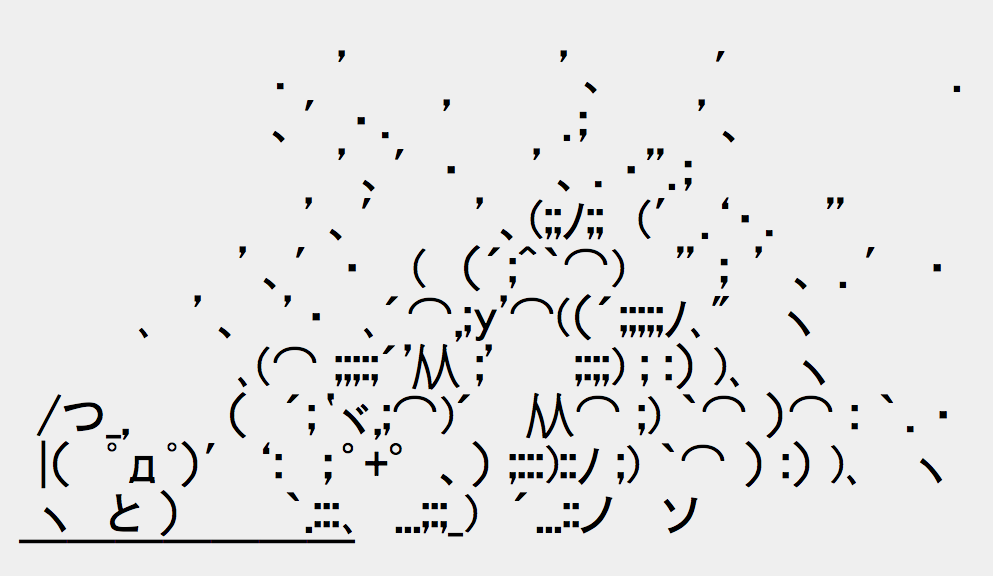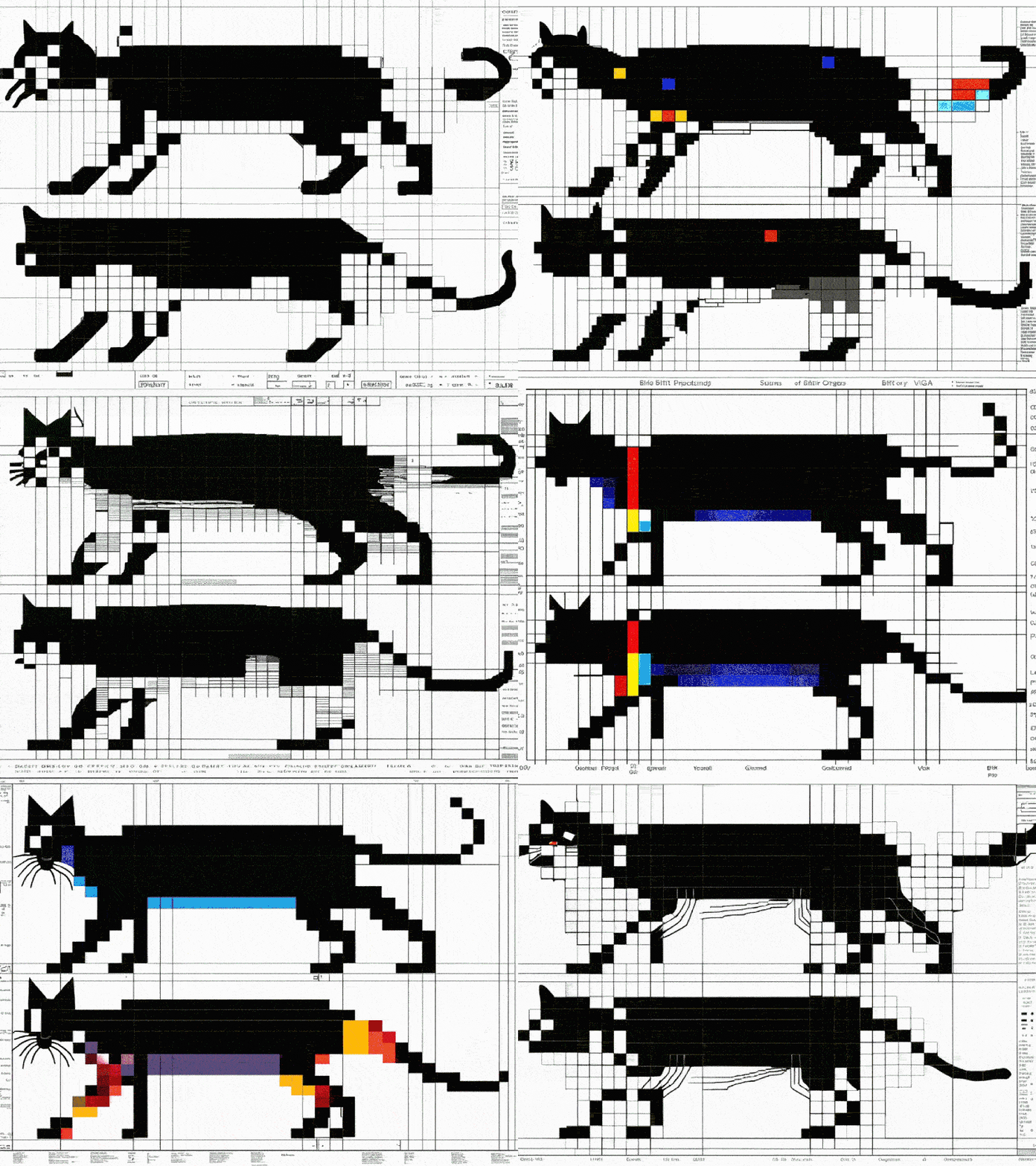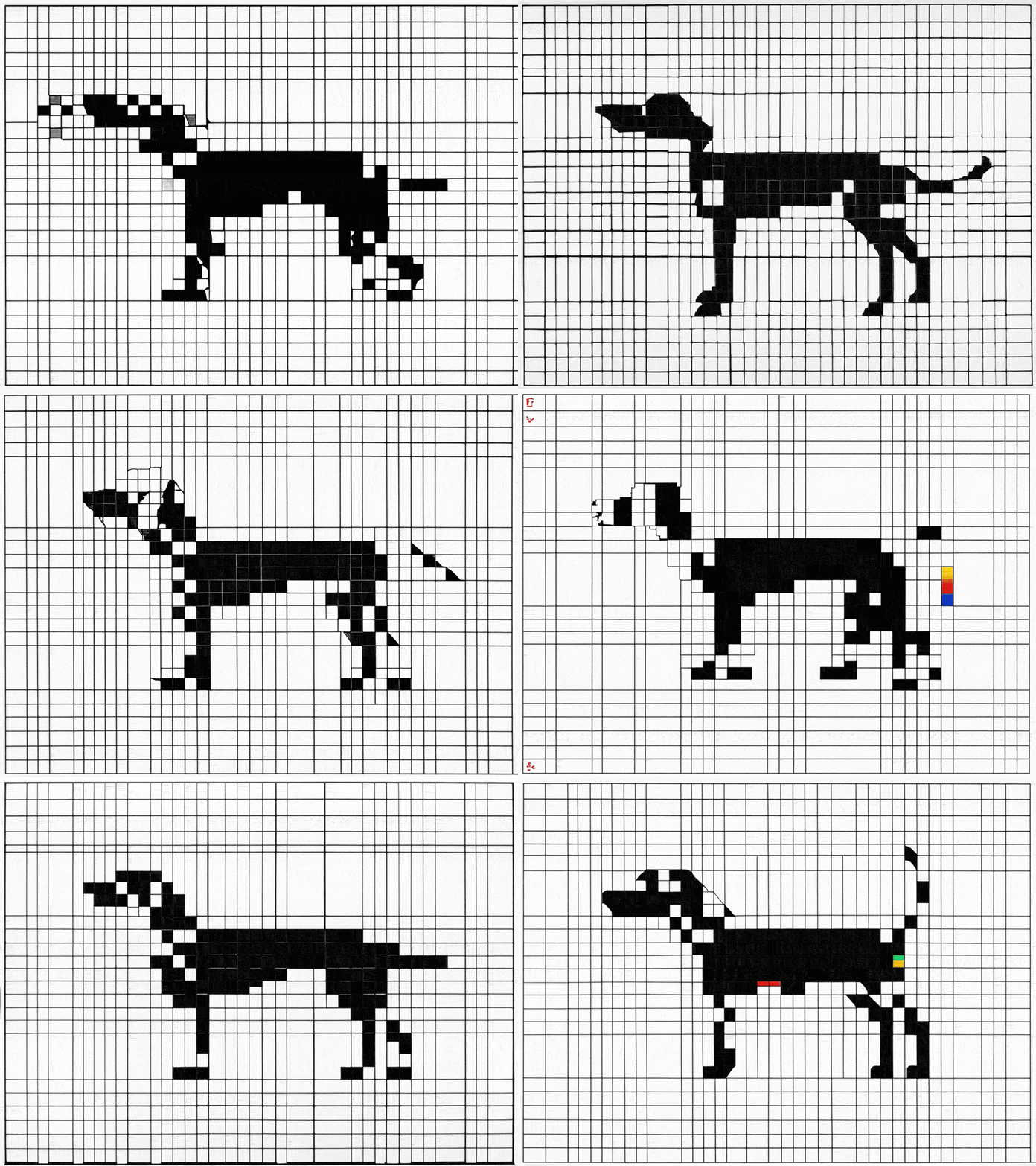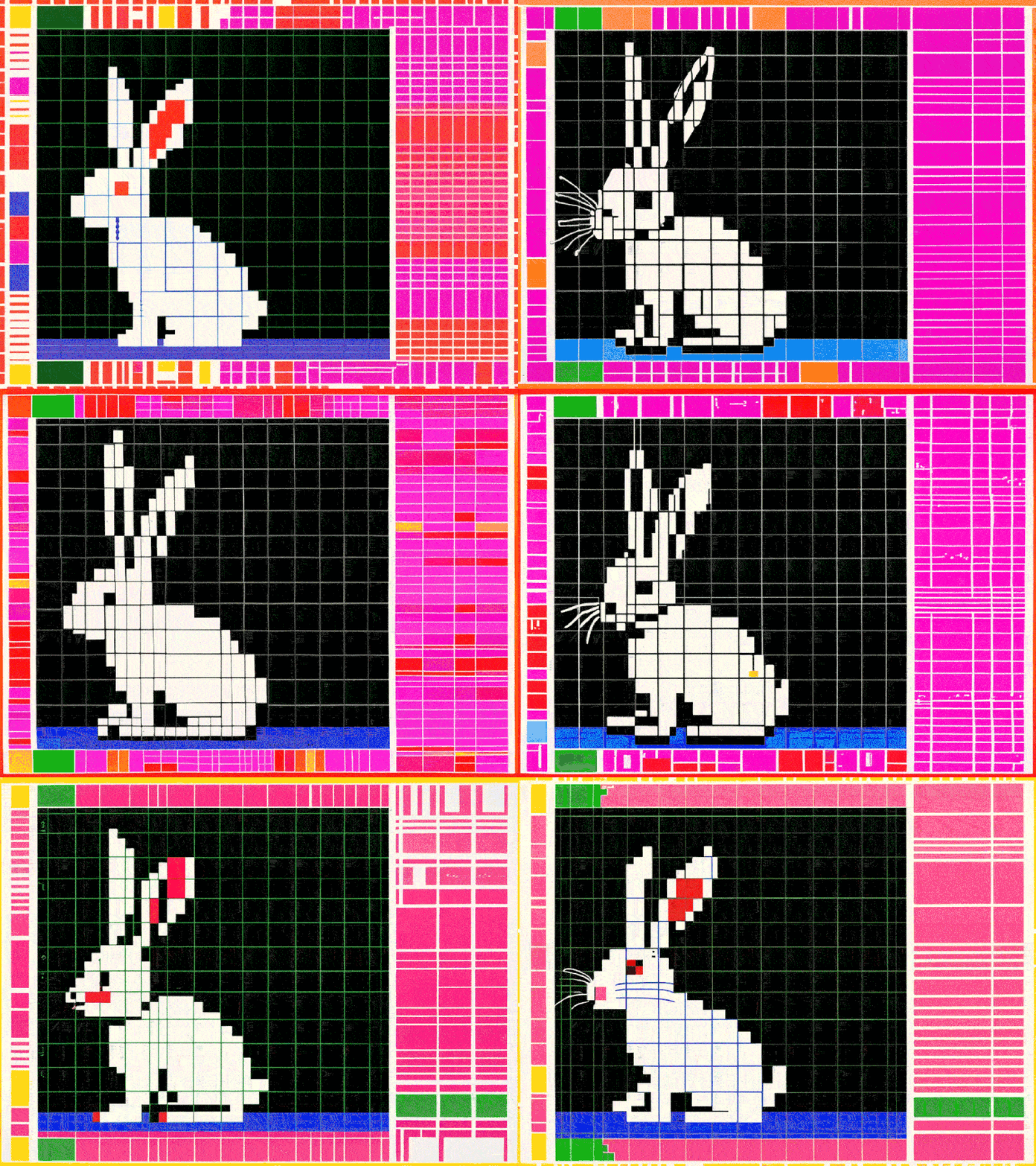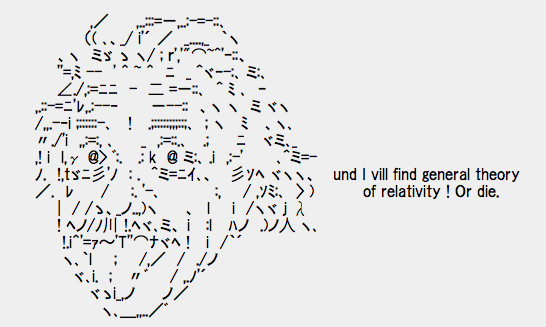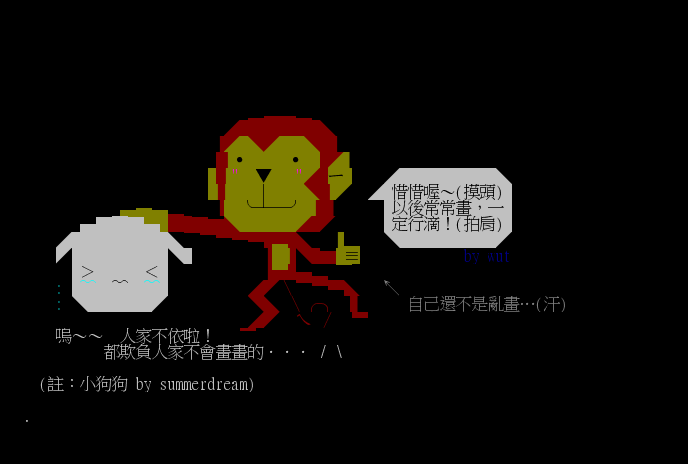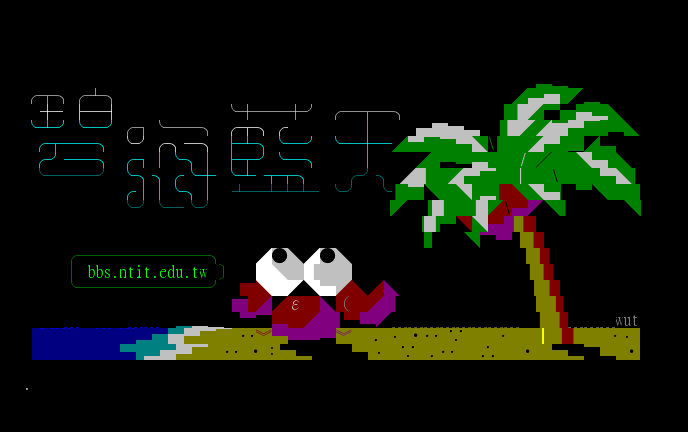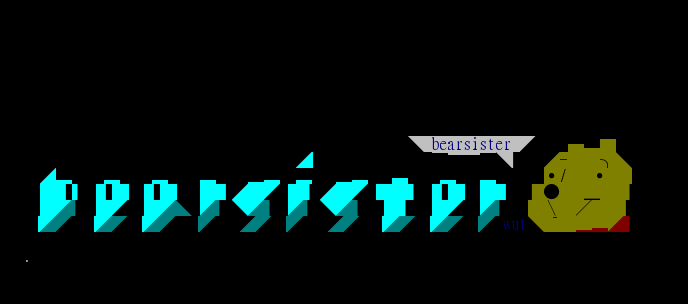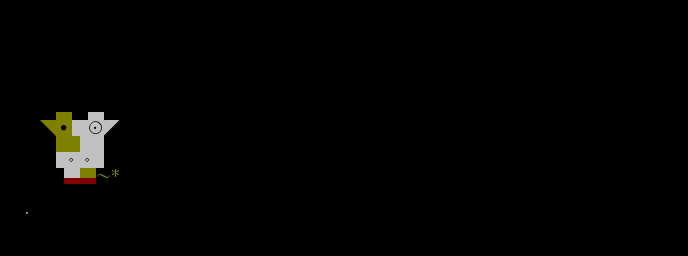
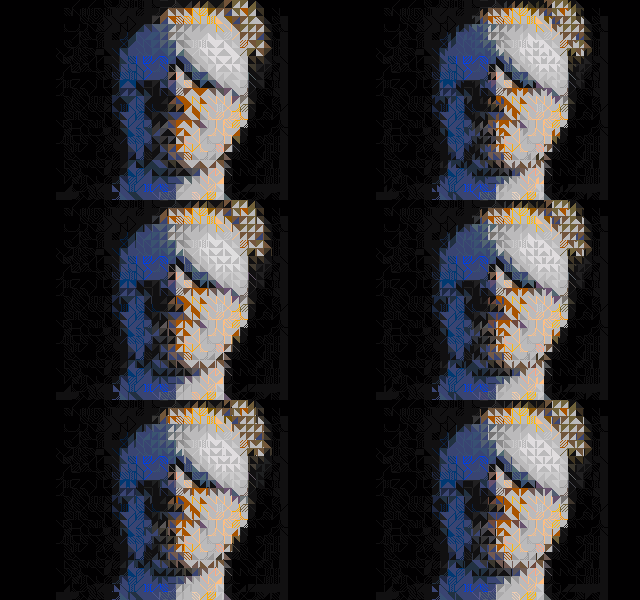
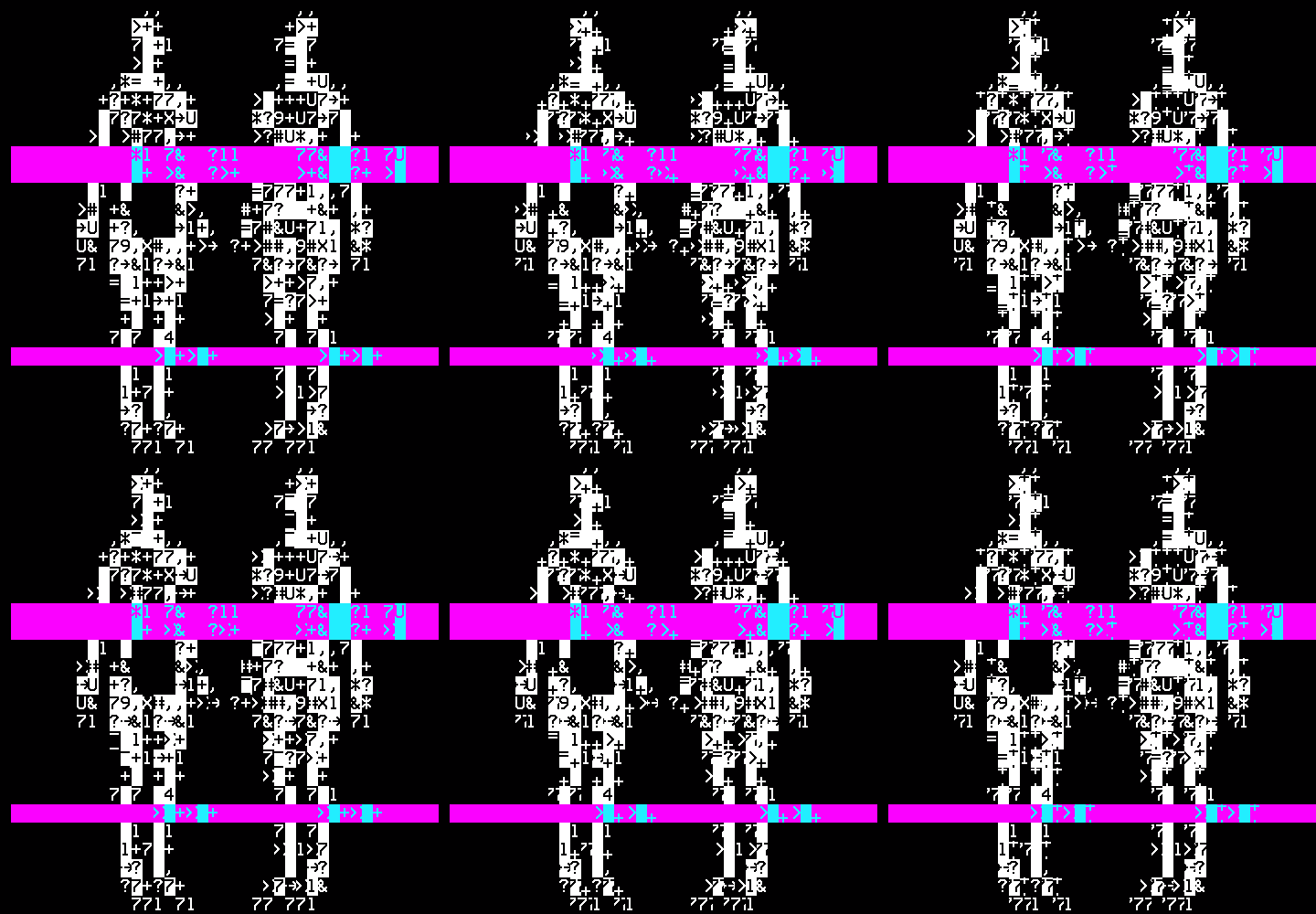
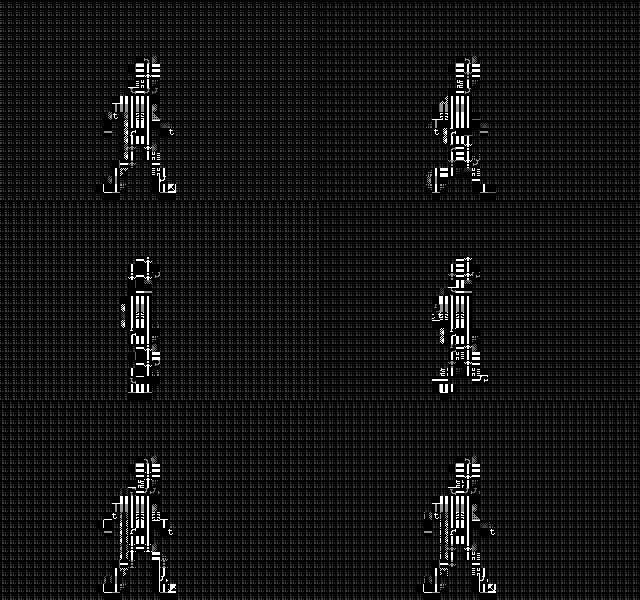
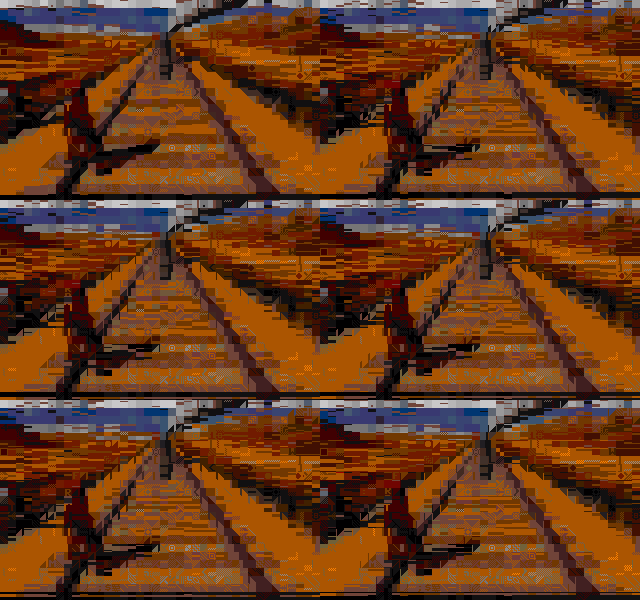
Text-mode graphics by Tim Koch
with custom animated characters.
The last one is a remix of a picture by Jellica.
Text-mode graphics by Tim Koch
with custom animated characters.
The last one is a remix of a picture by Jellica.
Square kufic tiles in Ishafan, Iran. via
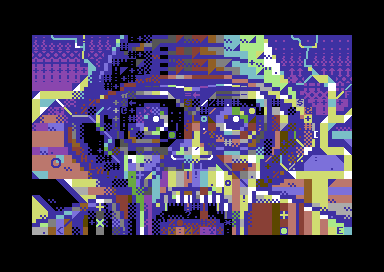
Smoke King [2013] by Electric
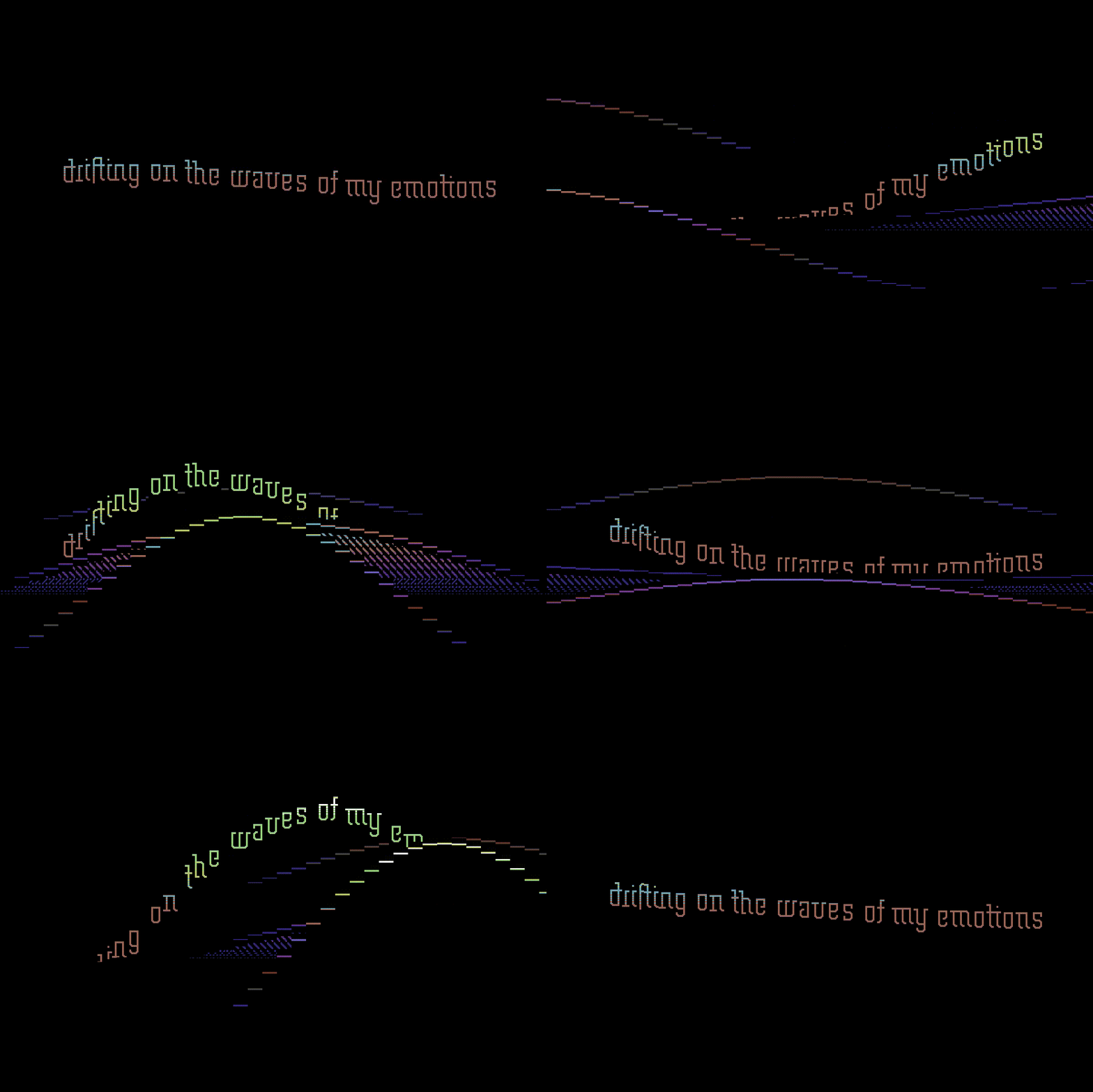
Sander Focus’ PETSCII-work that escapes the grid. source/video
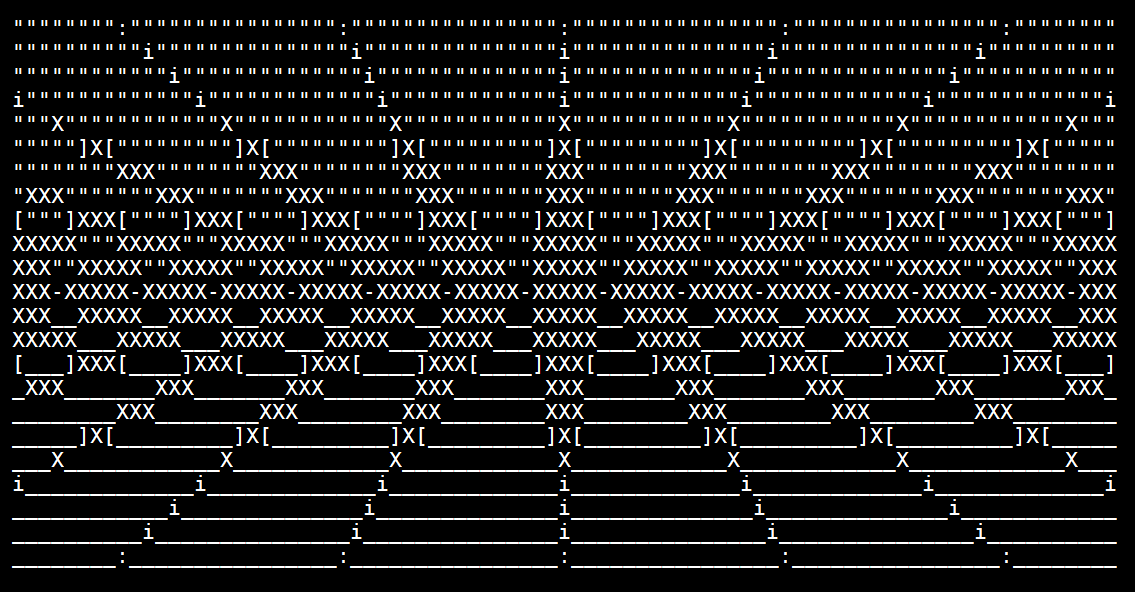
Supernova Amiga ASCII by webwit, 2013. via
Tweets by AAで吹いたら寝ろ, 2014. Source account suspended (noted in 2024).
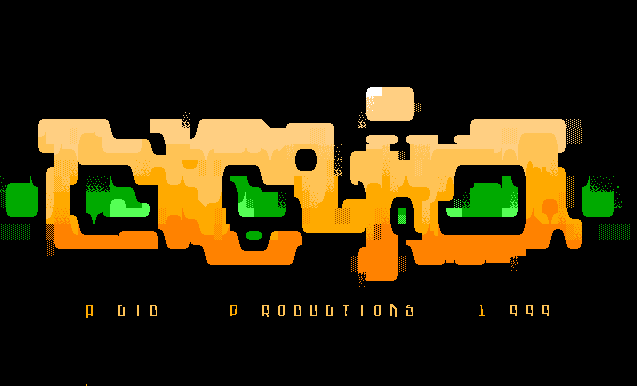
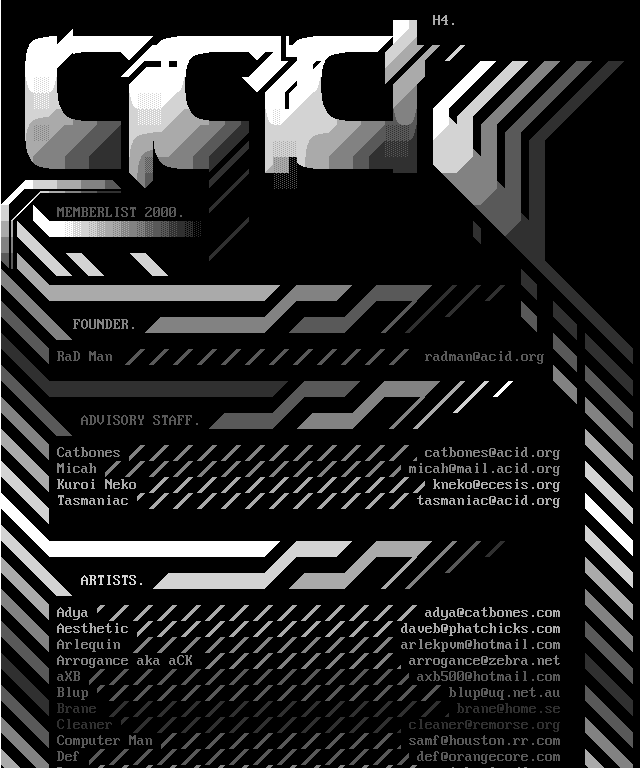
ACiD logos in xbin, a variation of ANSI where you can change the font and use more colours. More xbin graphics over at sixteencolors.net.
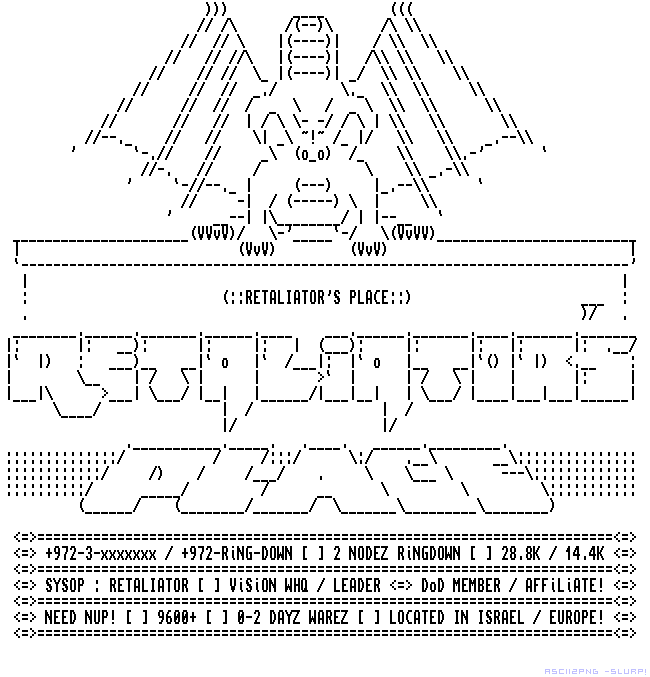
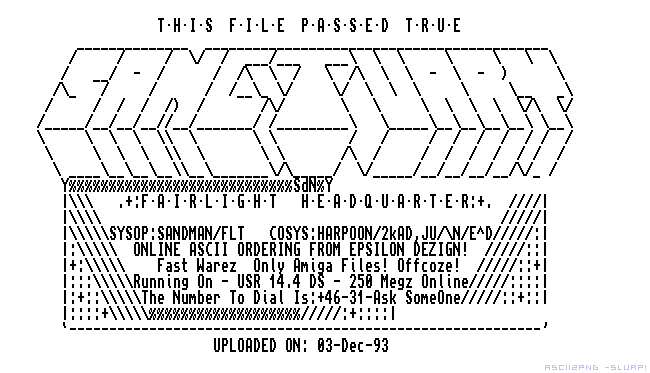
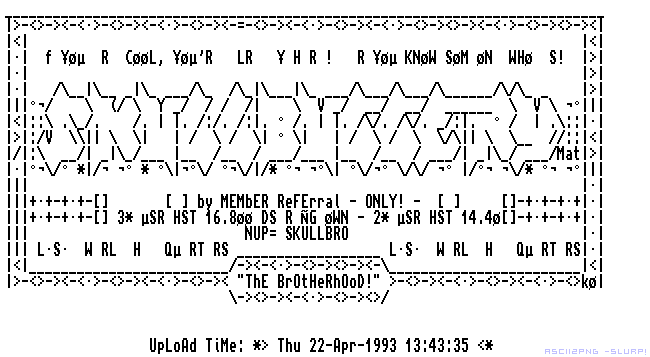
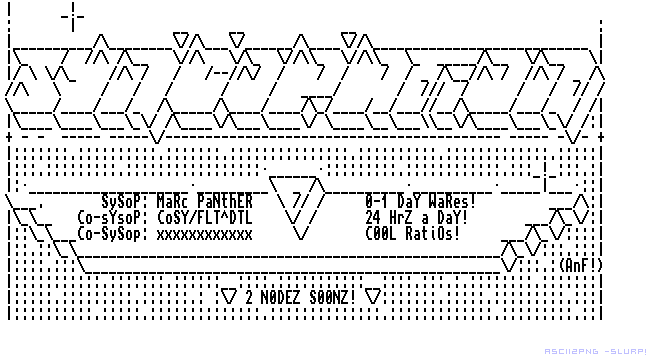
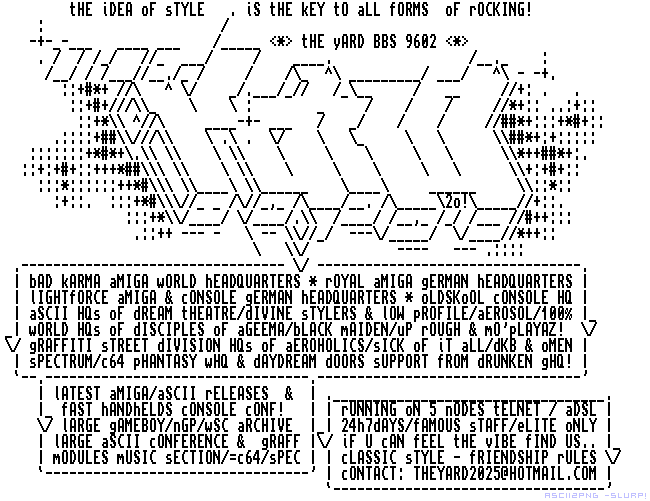
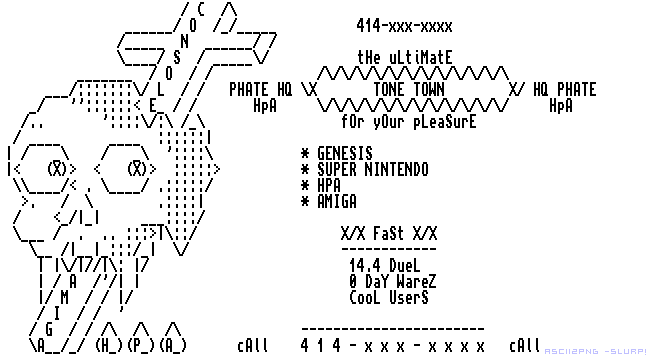
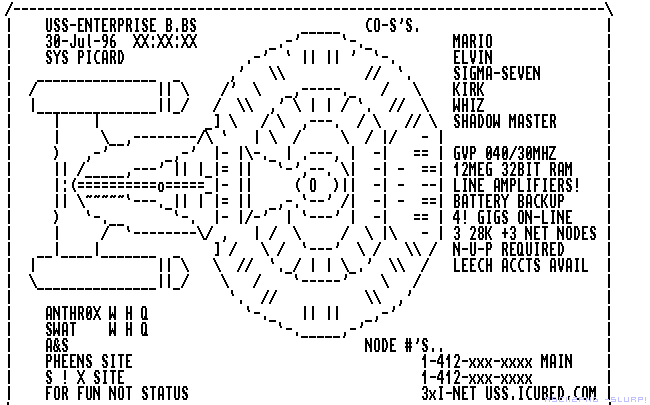
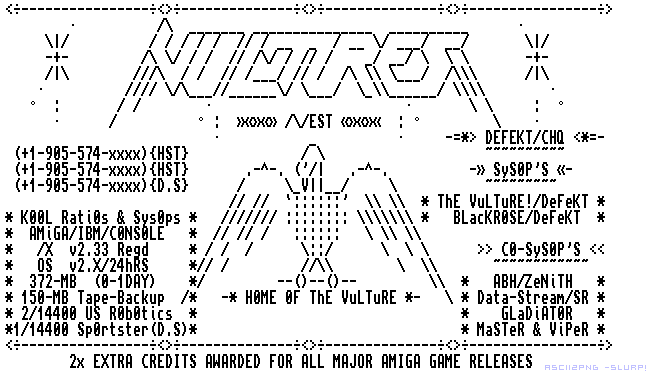
More from the BBS ads collection 1.0.
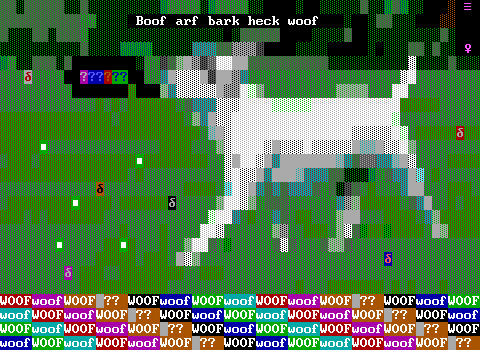
“The 2021 Make a Neat ZZT Board Contest-Jam Type Thing Compilation” by 12 Entrants, 4 Judges, KKairos, WiL and Zinfandel (2022). From Museum of ZZT, via their Tumblr
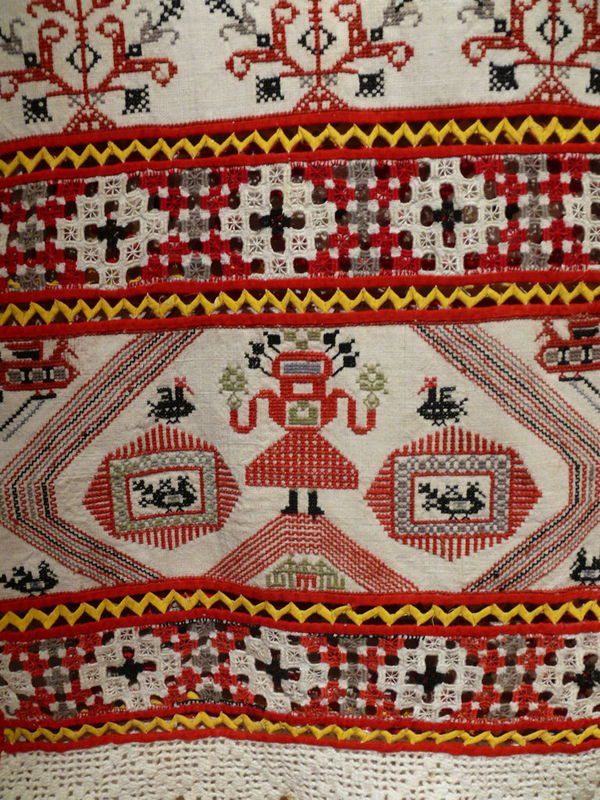
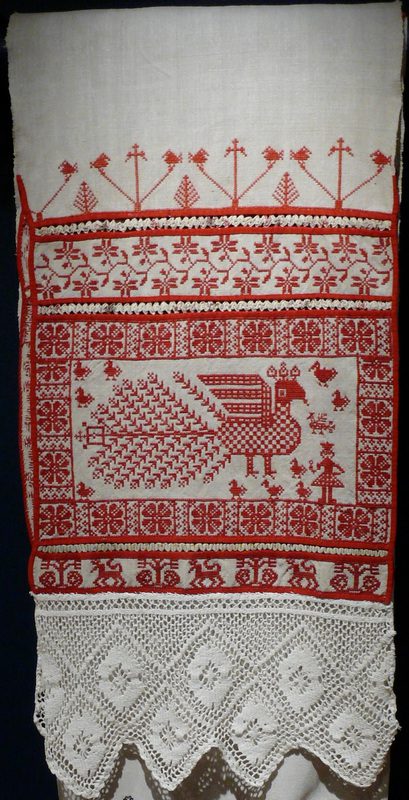
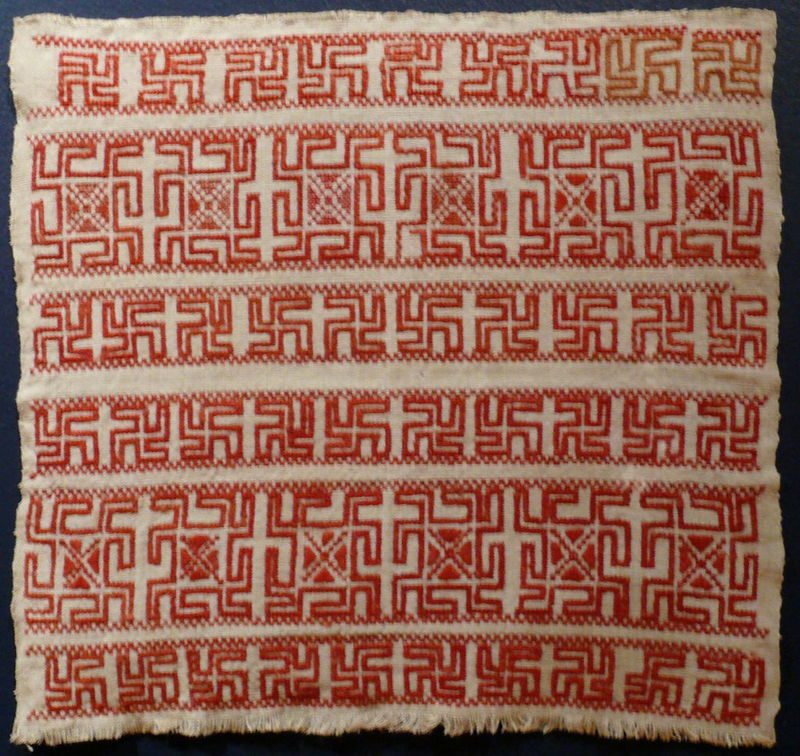
Embroidery from Tarnoga in the Arkhangelsk region in Russia.
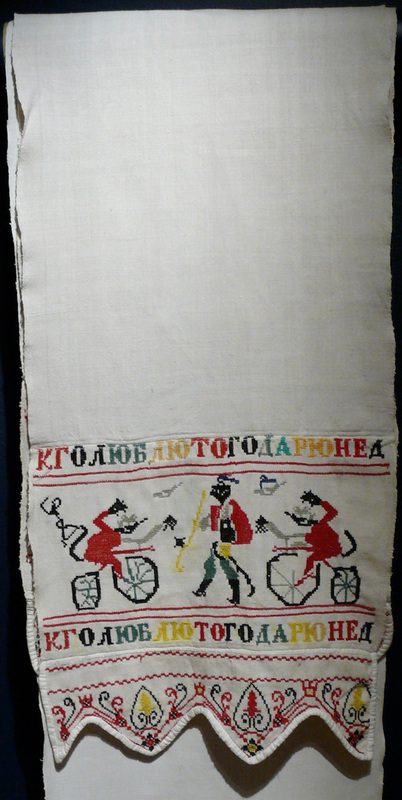
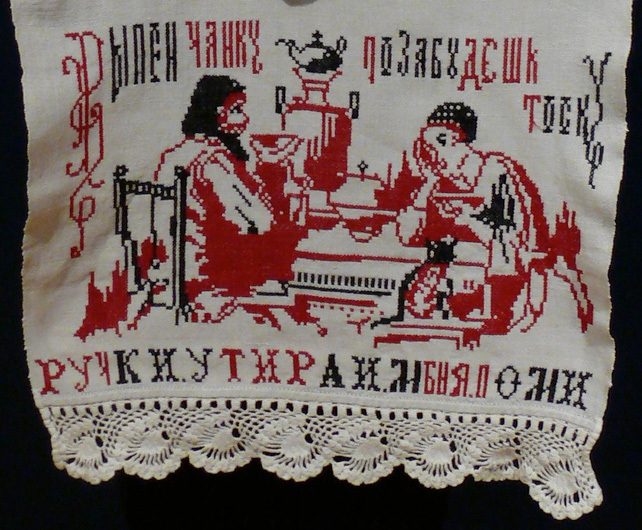
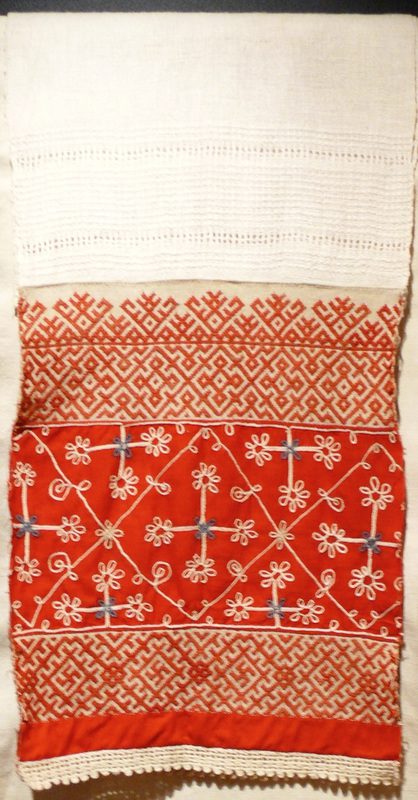
Embroidery from the Vologda region.
All of the above were made in the late 1800s and early 1900s. (source)
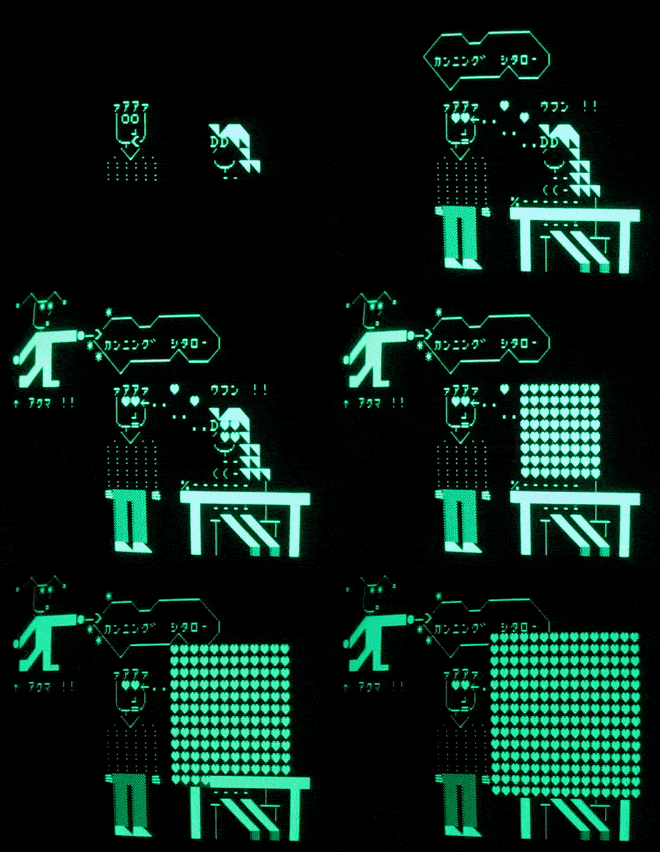
カンニング大作戦, an early 80’s game for MZ-80 by Hudson. Full video here. More posts from this game here.
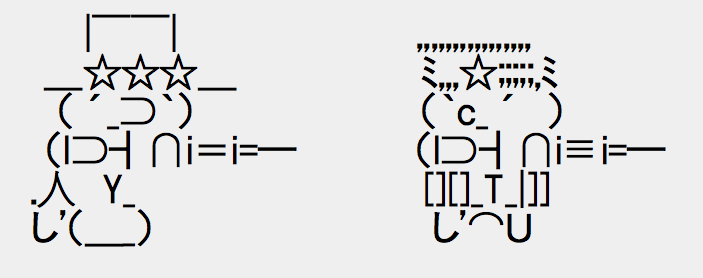
Live shift-JIS ASCII drawing by shishiaa, 2005.