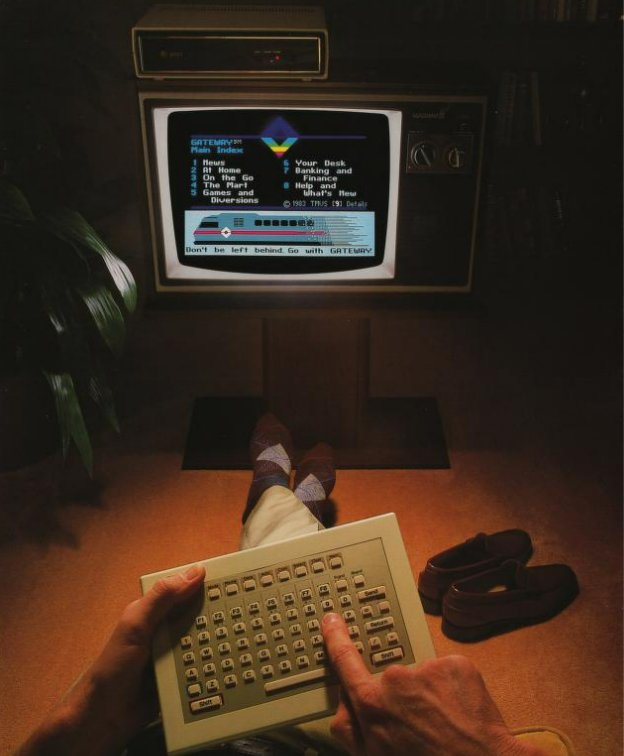
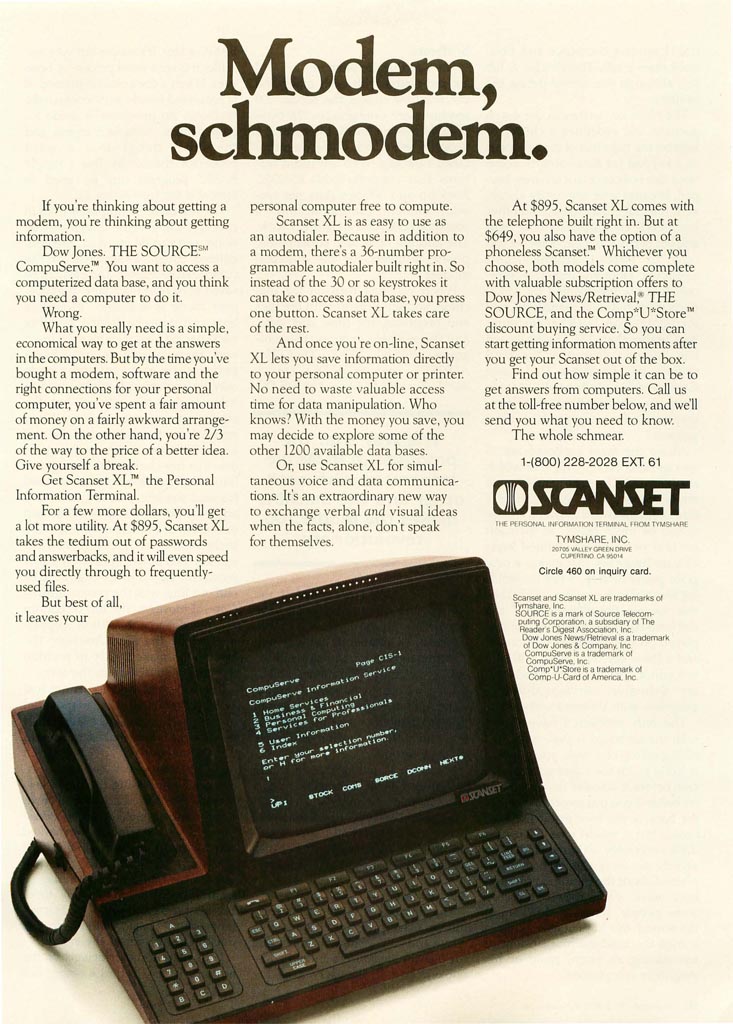
Ad for the Scanset XL terminal in BYTE Magazine, 1983. h/t: Tim Koch
Ad for the Scanset XL terminal in BYTE Magazine, 1983. h/t: Tim Koch
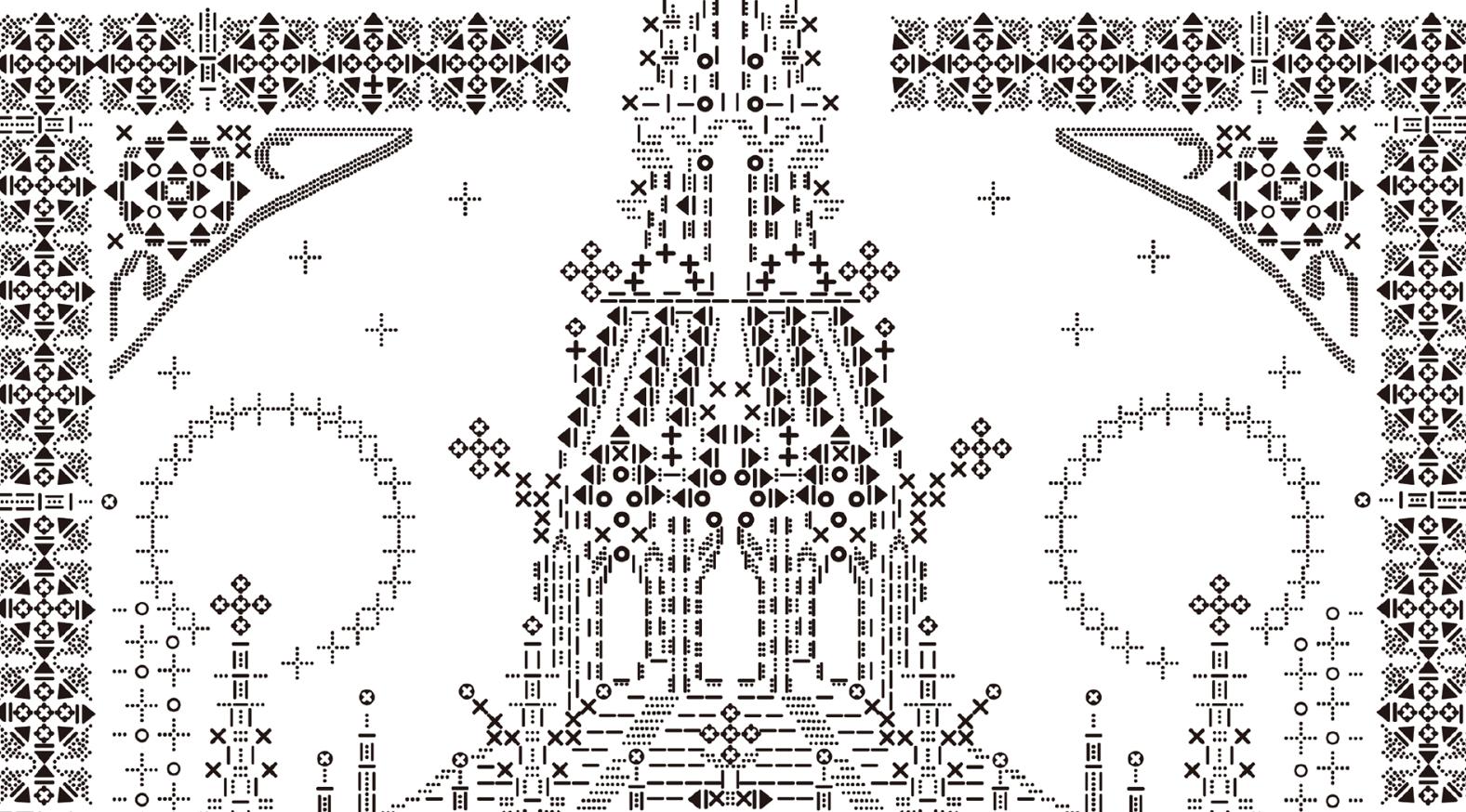
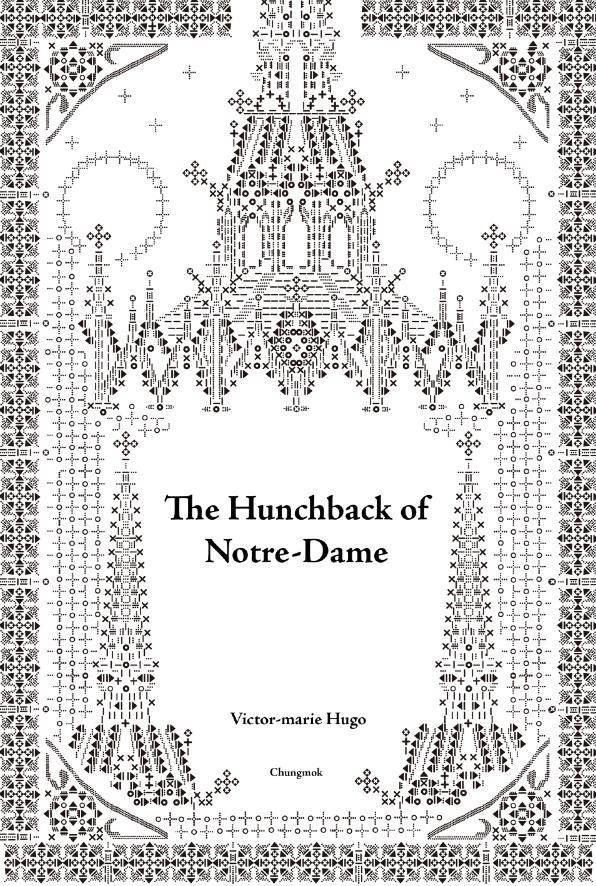
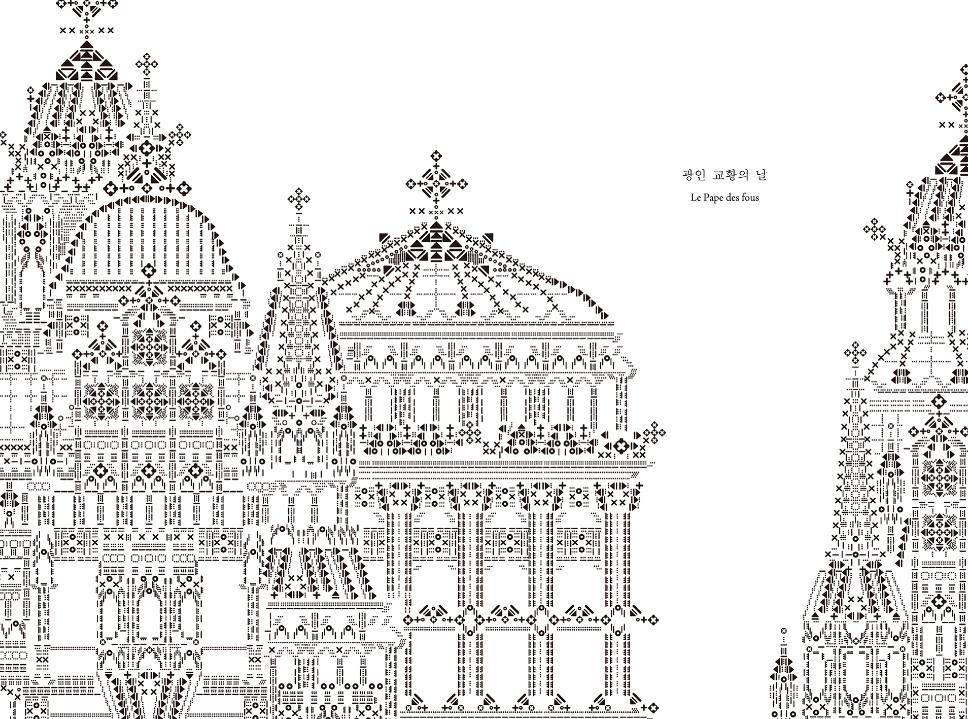
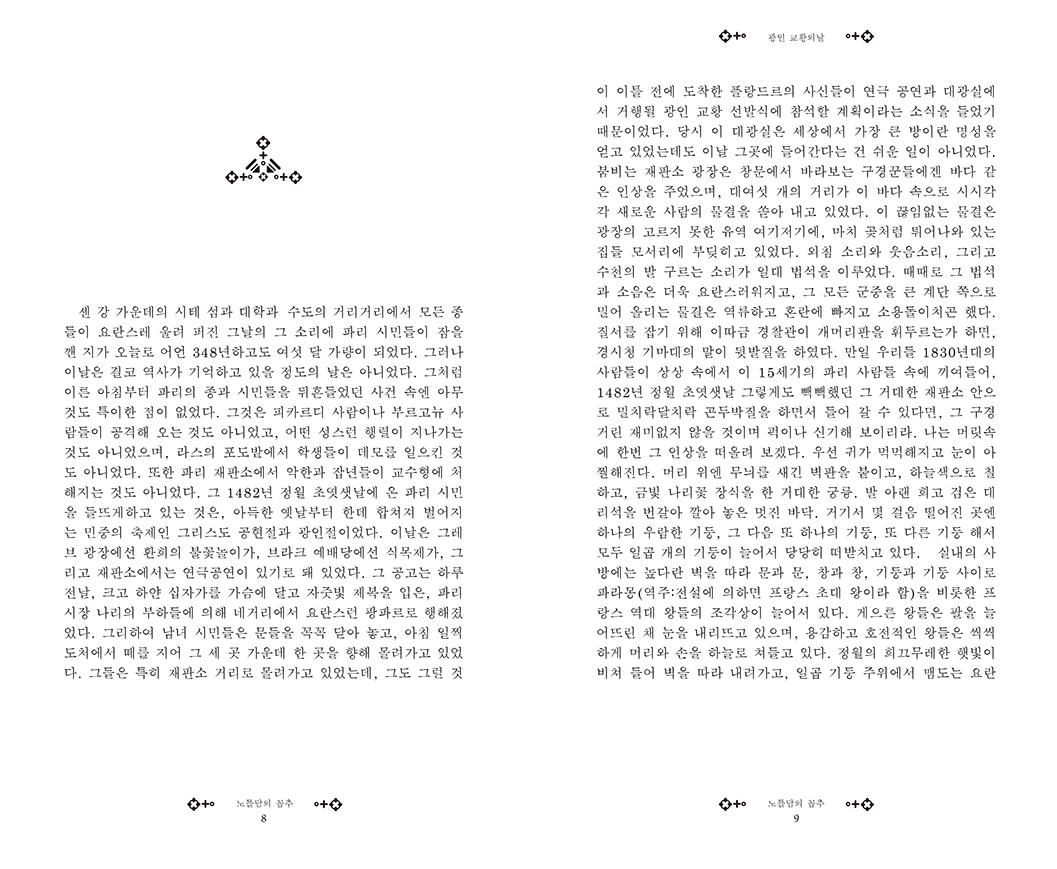
The Hunchback of Notre-Dame in Korean and dingbats, made by Jimin Hwang, 2017.
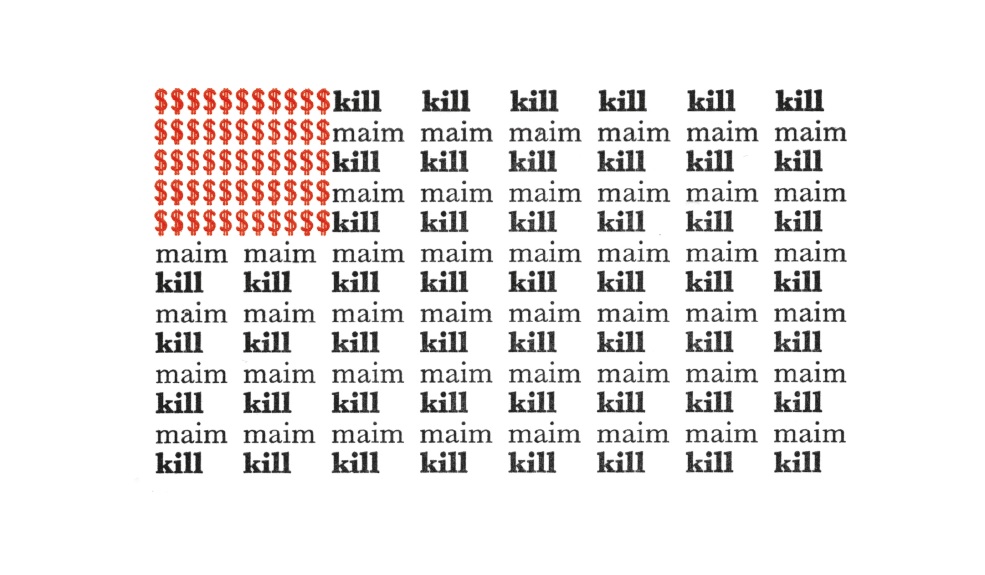
US-A by John J. Sharkey, 1969. Sharkey edited Mindplay: An anthology of British concrete poetry, available at archive.org.
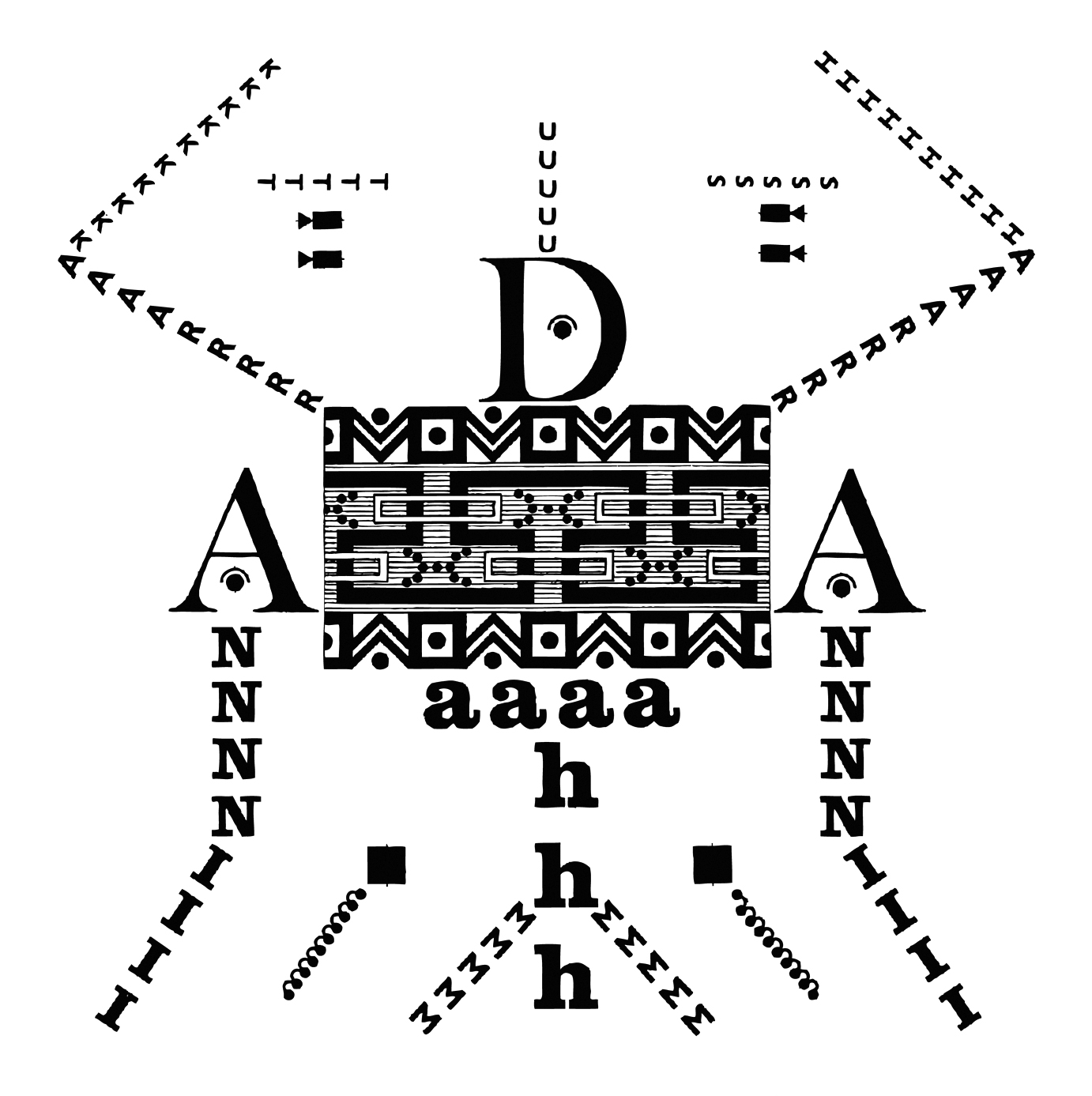
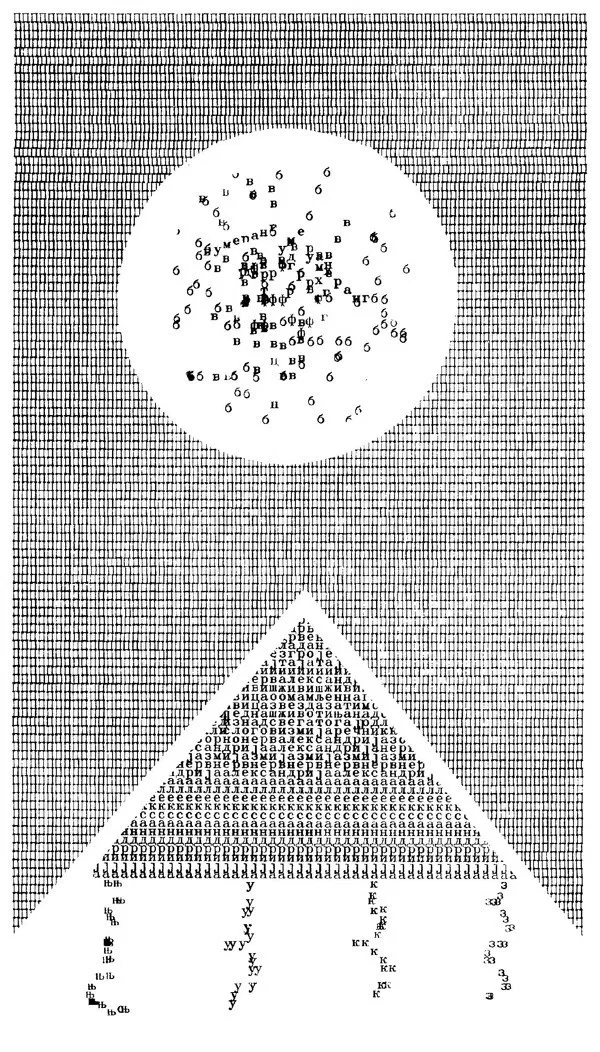
Algol (1970 and Textum 2 (1973) by Miroljub Todorović (Мирољуб Тодоровић), who founded the signalist movement.
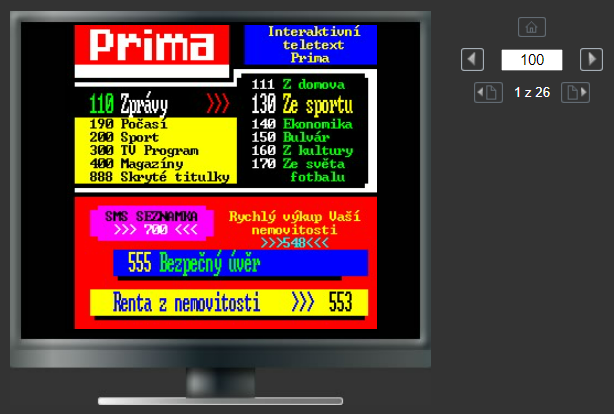
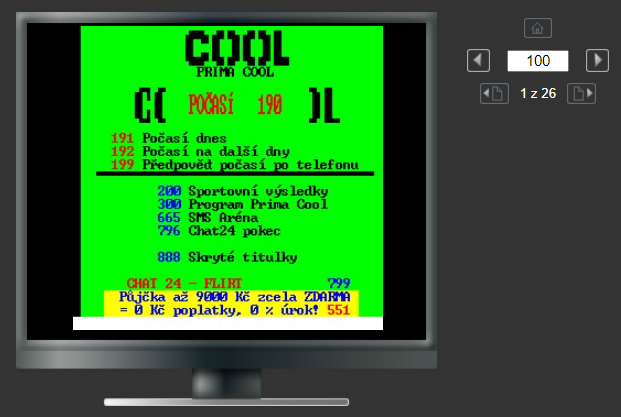
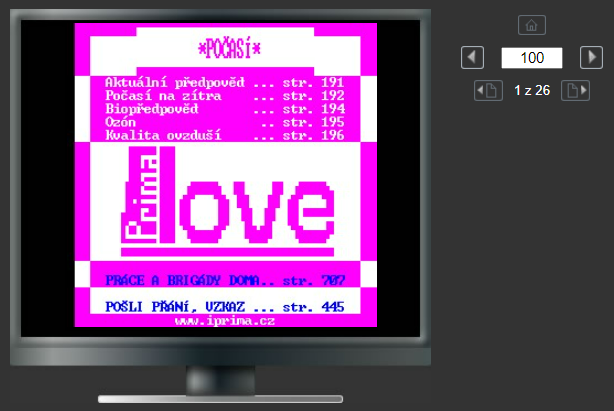
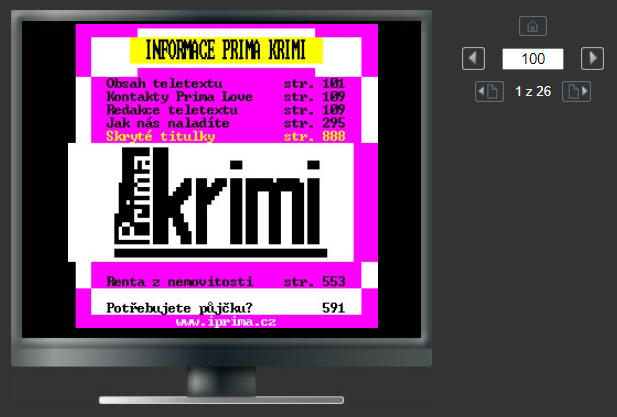
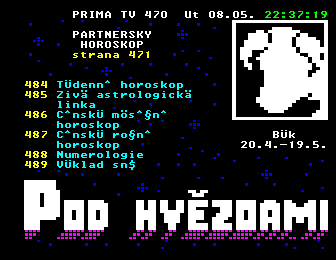
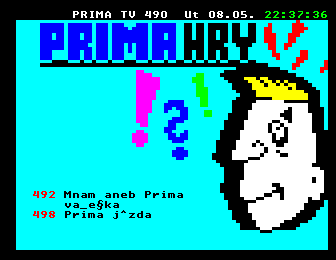
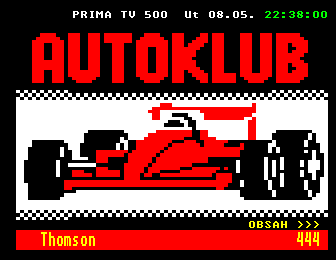
The Czech TV-channel Prima had quite a particular style for their teletext, before it shut down in 2020. They had three teletext channels, which were all available online: Prima, Prima Cool and Prima Love (later renamed Prima Krimi).
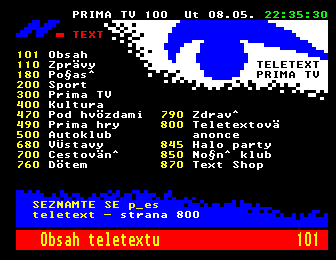
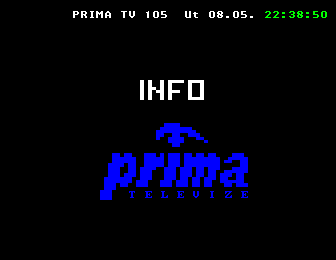
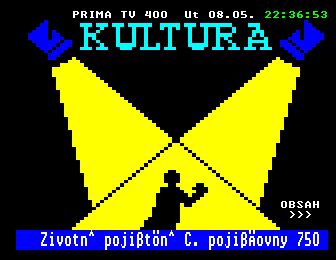
The Teletext museum has older examples (from 2002 or earlier). Note that the Czech characters are not shown correctly.
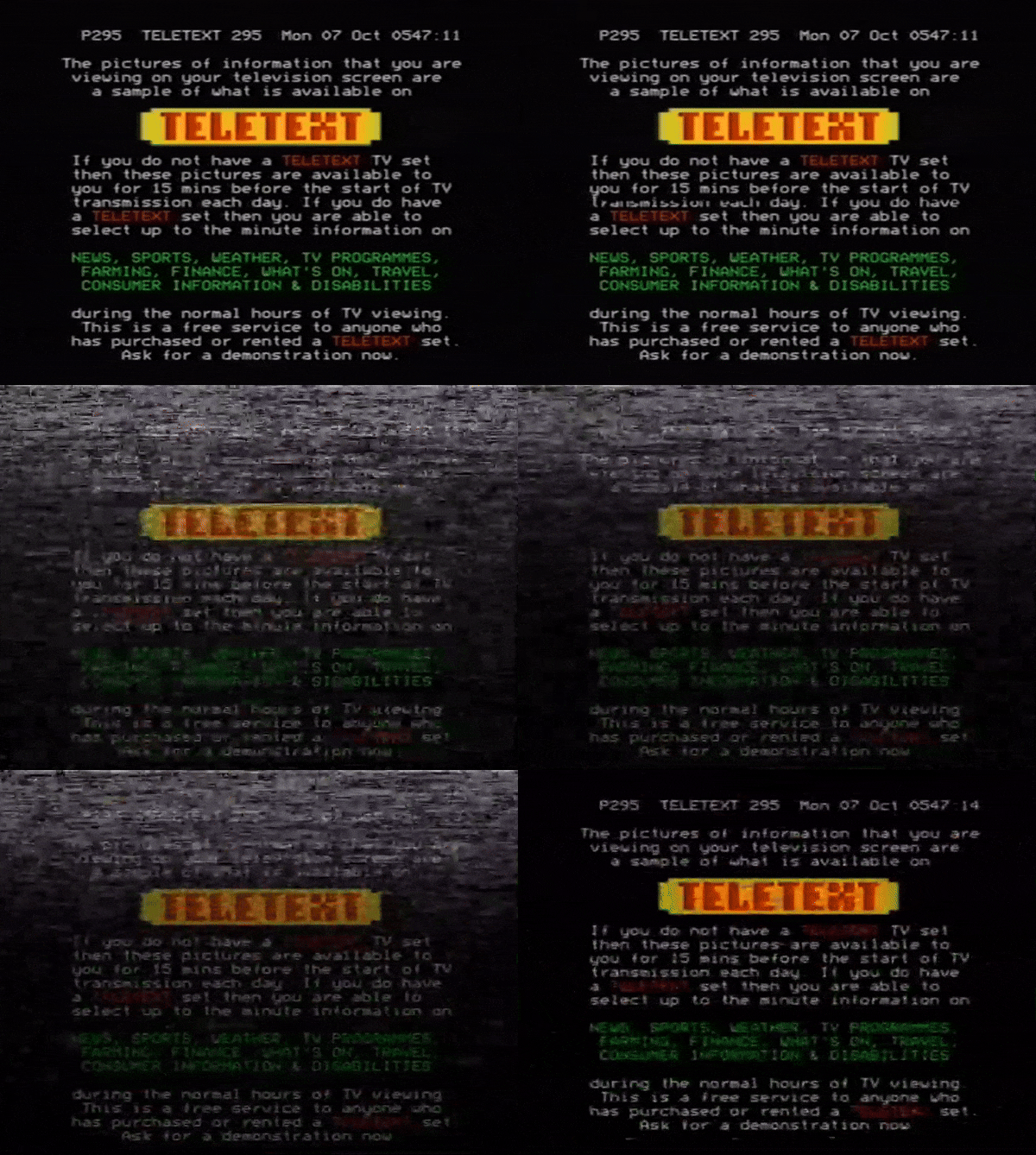
New Zealand teletext caught in a bad moment, probably 1985. See the full video.